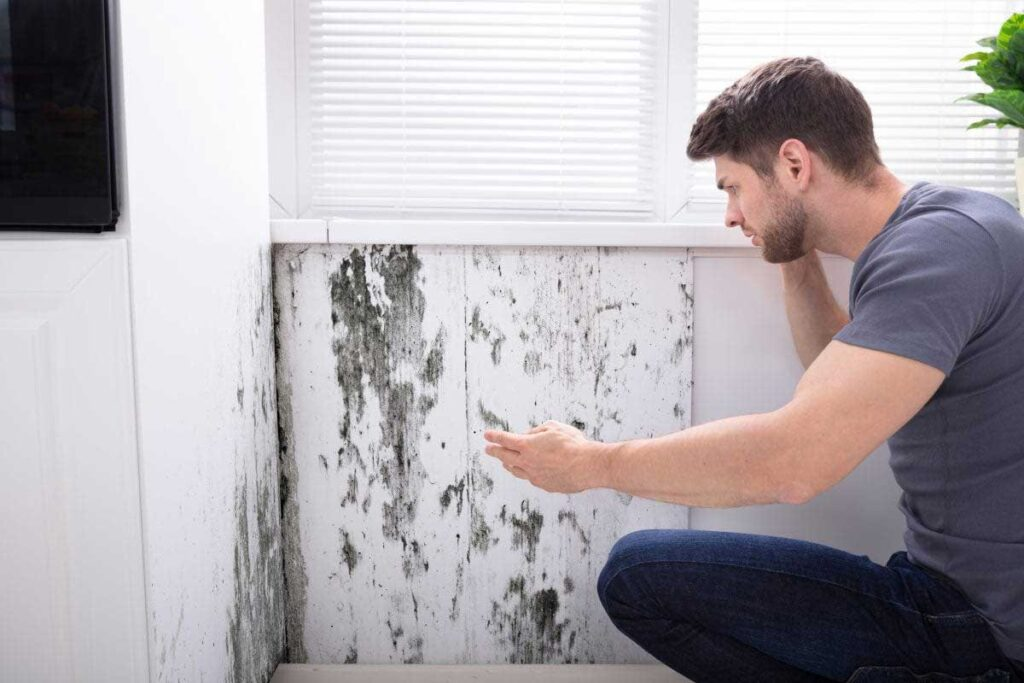

Just because you live in a rental property does mean you should deal with damp walls, broken heating, dangerous electrical systems, or unfinished repairs. Sadly, many tenants believe that it’s normal to live in poor conditions, and that belief stops them from exercising their legal rights.
As a tenant, you have legal rights. If your landlord has failed to keep your home safe, healthy, and in good condition, you may have a legal claim for ending housing disrepair. This document explains your rights, what disrepair is, and what you can do if your landlord doesn’t do their job.
What is Housing Disrepair?
Housing disrepair means problems in a rented property that impact the damage, safety, or essential systems in the home, and that the landlord has a legal obligation to fix.
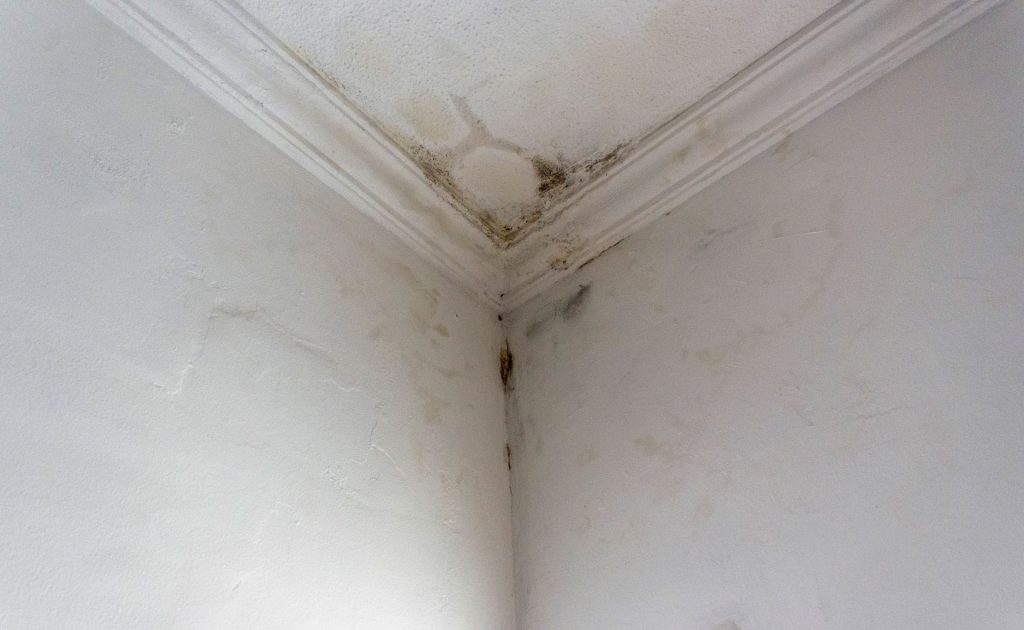
Examples include: Moisture, mould, or water leaks Breakdowns or non-compliance of heating and hot water systems Faulty electrical systems and wiring Structural defects including cracks, loose ceilings, or unstable flooring Plumbing issues including drain blockage or water leaks Infestations caused by pests and by defects in the property If any of those issues did not occur because of you. And if the landlord has been informed of the issues (or should have known about it), then your landlord could be breaking the law.
What are your legal rights as a tenant?
In England and Wales a landlord will have legal duties of care under legislation including: The landlord and tenant act 1985, the homes (fitness for human habitation) act 2018, and the housing act 2004. In these laws, a landlord must ensure that a property that they are renting out is Structurally safe, Free from health hazards, Safe, warm, and fit for human habitation Lastly, whether your tenancy agreement has a clause that requires repairs, these duties still exist, and a landlord cannot contract out of these duties.Tenants often assume that repairs are optional or dependent on the landlord’s goodwill. They are not. When a landlord fails to meet these obligations, specialist housing disrepair teams regularly step in to hold them accountable through the legal process.
When Can You Make a Housing Disrepair Claim?
There is disrepair in your home that is your landlord’s responsibility , You reported the issue (or they should have known about it), The landlord took an unreasonable amount of time to make the repairs , The disrepair has impacted your living conditions, health, or safety , You can make a claim while you are still in the property — you do not have to move out to make a claim.
What Compensation Can You Claim?
Compensation in housing disrepair cases is intended to reflect the impact the issues have had on your life. This may include:
- Distress and inconvenience of living in poor conditions
- Damaged items you may have, like furniture, clothes, or electronics
- Health problems that may have arisen because of damp, mould, or cold conditions
- A reduction in rental value for the period the property was in disrepair
you may be entitled to compensation for that. In some instances, the court may also require your landlord to make the necessary repairs.
Protection Against Retaliatory Eviction
you made a complaint about disrepair, it is an unlawful eviction if your landlord evicts you because of it. The law protects you in this situation.
The Deregulation Act 2015 protects you from something called ‘Retribution Evictions’ especially when the local council gets involved. You can try to fight any removal attempts, especially if it’s just because you stand up for your rights.
Housing Disrepair and Local Authority Tenants
If you rent from a council or housing association, the same legal principles apply. In cities with large numbers of social housing tenants, such as housing disrepair Birmingham cases, it is not uncommon for delays or long-standing issues to arise due to backlogs and missed repairs.
These delays do not remove the landlord’s responsibility. Councils and housing associations are still required to meet legal standards, and tenants are entitled to challenge prolonged inaction.
What Steps Should You Take If Your Property Is Not In Good Condition?
If you have some problems that just won’t get sorted, you have some things you can try to do:
It should be your responsibility and duty to report the issue with your landlord or the managing agent.
Be sure to always keep proof , this could be photos, videos, medical files, or anything that could show the issue.
Make sure to give the landlord a reasonable amount of time to fix the thing that’s broken.
Get legal advice if the landlord stays silent.
Housing disrepair legal experts can frequently accept these types of clients through a no win, no fee arrangement, which means that you won’t have to pay anything.
Tenants of the Council and Housing Association
If you have a local council or housing association lease, the same legal concepts are applicable. In fact, these landlords are frequently considered to be even more obliged for standards due to the fact that it’s public housing.
It is not deemed acceptable due to the fact that the landlord is a council or is a housing supplier to have delays, missed appointments, or ongoing problems.
Final Thoughts
No one should have to live in danger or in an unhealthy environment. The law states that landlords must take care of their properties and tenants have the right to take legal action when landlords refuse to take care of their properties.
If you are experiencing the ongoing disrepair of your housing, you should not think you have to just deal with it. Understanding your legal rights is the best way to start making your living conditions better and in many cases, you can get the compensation you are rightfully entitled to.