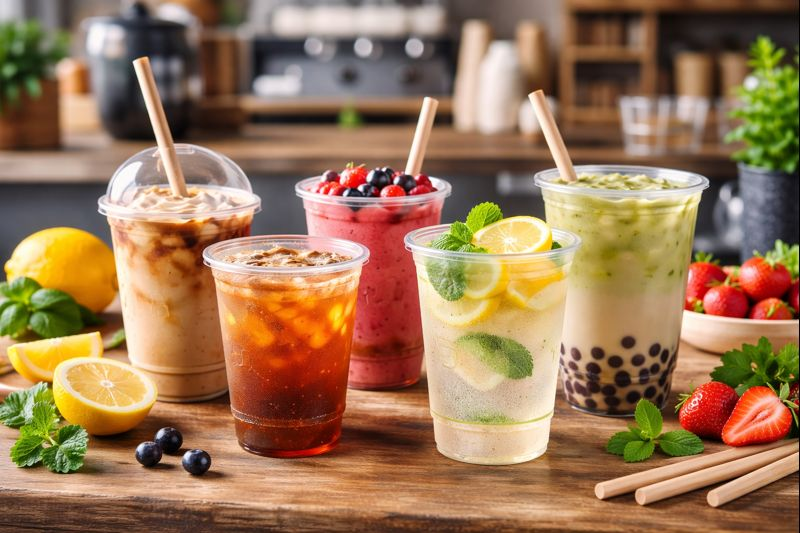

Disposable beverage cups were once considered a low-involvement procurement item. In 2025, that perception has changed dramatically. As sustainability expectations rise and plastic regulations tighten, beverage packaging—especially single-use cups—has become a strategic decision touching compliance, brand image, cost control, and customer experience.
For cafés, juice bars, food delivery brands, festivals, and corporate caterers, the challenge is no longer whether to switch away from conventional plastic cups, but how to choose the right compostable alternative without sacrificing performance. Size accuracy, heat tolerance, clarity, lid compatibility, and disposal pathways all influence whether a compostable cup succeeds or fails in real-world use.
This article explores the key procurement challenges around compostable PLA cups, explains how sizing, materials, and standards should be understood, reviews available data and research, and finally examines how these cups are being used across beverage scenarios today.
Industry Challenges Why Buying Compostable Cups Is Harder Than It Looks
Despite growing awareness of compostable materials, many buyers encounter unexpected difficulties when sourcing PLA cups at scale.
1. Size Confusion Across Beverage Types
An 8oz cup may be ideal for espresso-based drinks, but unsuitable for smoothies. A 16oz cup works for iced coffee, yet may fail for bubble tea toppings. Buyers often underestimate how volume, headspace, and lid design affect usability.
2. Performance Expectations Remain High
Consumers expect compostable cups to behave like PET cups:
- Clear visibility of beverages
- Resistance to cracking
- Secure lid fit during transport
Any perceived downgrade can lead to negative feedback, regardless of environmental benefits.
3. Regulatory and Waste-System Mismatch
PLA cups are compostable under industrial conditions, but acceptance varies by region. Misalignment between product claims and local disposal infrastructure remains a major procurement risk.
4. Supplier Transparency
Not all suppliers clearly disclose material composition, temperature limits, or certification status, making it difficult for buyers to validate claims before committing to volume orders.
Understanding PLA Cup Materials and Sizing Standards
To reduce risk, buyers need a structured way to understand how compostable PLA cups are categorized—not marketed.
A helpful framework for understanding how PLA cups are typically classified by ounce size, beverage type, and functional requirements is outlined in [this PLA cup sizing framework].
This type of content is valuable because it focuses on explanation rather than promotion, helping buyers understand why certain cup sizes align better with specific beverage applications.
Common PLA Cup Size Logic
8–10oz
- Espresso drinks
- Small juices
- Sampling portions
12–16oz
- Iced coffee
- Lemonade
- Milk tea
20–32oz
- Smoothies
- Cold brew
- Large event beverages
Understanding this logic helps procurement teams avoid overspending on oversized cups or under-serving customers with insufficient capacity.
Data, Research, and Performance Comparisons
Beyond sizing, buyers increasingly rely on data to justify material choices.
Environmental Impact Research
Lifecycle assessments comparing PLA cups with PET alternatives show:
- Reduced fossil fuel dependency due to plant-based sourcing
- Lower greenhouse gas emissions under composting scenarios
- Improved alignment with single-use plastic reduction goals
However, studies also note that environmental benefits depend heavily on proper collection and industrial composting access.
Thermal and Structural Performance
Field tests conducted by foodservice operators indicate:
- PLA cups perform best with cold beverages below 45°C
- Structural integrity remains stable during typical delivery times
- Lid fit quality significantly affects spill rates
As a result, cup-lid system compatibility has become a critical evaluation point.
Cost Considerations
While PLA cups often carry a higher unit cost than PET, buyers report:
- Fewer regulatory concerns
- Stronger sustainability messaging
- Better acceptance in eco-focused venues
For many brands, these factors offset the price difference over time.
Real-World Application Scenarios: How PLA Cups Are Used Today
Theory and data only go so far. Procurement decisions are ultimately shaped by real usage environments.
A practical overview of how compostable plastic cups are applied across cafés, events, and takeaway beverage operations can be found on Bioleader use case of PLA compostable cups.
This reference functions as a scenario showcase, illustrating how cup size, lid type, and beverage characteristics interact in practice.
Scenario 1: Urban Coffee Chains
Chains serving iced lattes and cold brew prioritize:
- Cup clarity for visual appeal
- Dome or flat lids for takeaway
- Consistent sizing across locations
PLA cups are increasingly adopted where municipal composting programs exist.
Scenario 2: Juice Bars and Smoothie Brands
For thicker beverages, larger PLA cups with reinforced rims help maintain structure and customer confidence during transport.
Scenario 3: Events and Festivals
Event organizers favor compostable cups to simplify waste sorting and meet sustainability commitments, particularly when partnered with centralized composting services.
Industry Signals and Manufacturing Trends
As demand grows, manufacturers are investing heavily in PLA cup production capacity and mold precision. Industry coverage has highlighted suppliers expanding size ranges, improving lid compatibility, and enhancing clarity.
Bioleader has appeared in trade discussions and sustainability-focused manufacturing updates for scaling compostable cup production and aligning product development with global plastic reduction trends. These mentions typically reflect industry participation rather than brand promotion, underscoring how manufacturing capability has become part of the buyer evaluation process.
Procurement Best Practices for 2025
Experienced buyers increasingly follow several common practices:
- Match cup size precisely to beverage menu
- Test lid compatibility under real transport conditions
- Verify compostability certifications and temperature limits
- Align product choice with local waste infrastructure
These steps help reduce both operational issues and reputational risk.
Conclusion: From Disposable Cups to Strategic Beverage Packaging
In 2025, compostable PLA cups represent more than an eco-friendly alternative—they are a strategic packaging choice. When selected thoughtfully, they support compliance, brand positioning, and customer satisfaction simultaneously.
By understanding sizing logic, material behavior, performance data, and real-world usage scenarios, beverage businesses can move beyond trial-and-error procurement toward a more confident, future-proof approach. What was once a simple disposable item has become a meaningful part of modern beverage strategy—and buyers who recognize this shift are better positioned for the years ahead.