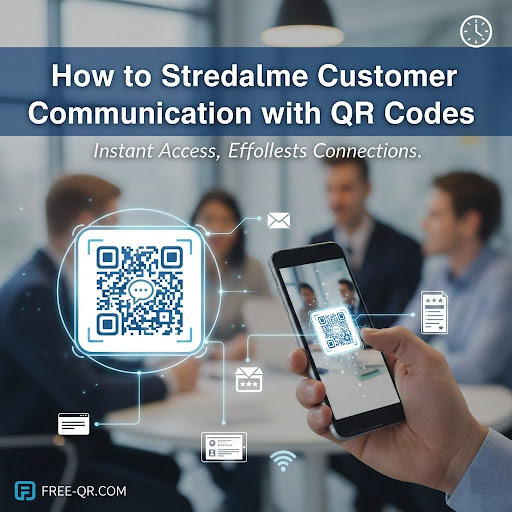

Customer communication can make or break your business success. QR codes have emerged as powerful tools that bridge the gap between offline and online interactions, offering instant access to information with a simple scan. Whether you want to share contact details, gather feedback, or simplify email outreach, using an Email QR Code Generator transforms how customers connect with your brand while saving time and reducing friction in every interaction.
Understanding QR Code Benefits for Your Business
QR codes eliminate multiple steps in customer engagement by providing instant access to information. Instead of typing long URLs or searching for contact information, customers simply scan and connect. This convenience translates to higher engagement rates and improved customer satisfaction.
The technology reduces barriers between your business and potential clients. When placed strategically on packaging, business cards, or promotional materials, QR codes create seamless pathways to websites, product details, or communication channels. Studies show that businesses using QR codes experience up to 40% higher customer interaction rates compared to traditional methods.
Cost-effectiveness makes QR codes particularly attractive for small and medium businesses. Unlike expensive marketing campaigns or printed materials requiring frequent updates, QR codes can be generated freely and modified without reprinting physical assets. This flexibility allows businesses to adapt their communication strategy quickly based on customer feedback and market changes.
Essential QR Code Types for Business Communication
Different QR code types serve specific communication purposes, each designed to address unique business needs. Understanding which type fits your goals helps create more effective customer interactions and eliminates unnecessary steps in the communication process.
- Contact Information QR Codes: Store complete business card details including name, phone number, email address, and company information. When scanned, these codes automatically populate the user’s contact list, eliminating manual data entry and reducing errors.
- Email QR Codes: Tools like an Email QR Code Generator enable you to create codes that launch email clients automatically with your address pre-filled, subject lines ready, and even message templates included. This streamlined approach works exceptionally well for customer support inquiries, feedback collection, and general communication needs.
- WiFi QR Codes: Allow customers to connect automatically without requesting passwords or navigating complex network settings. These have become essential for hospitality and retail businesses seeking to enhance customer convenience.
- Social Media QR Codes: Direct users straight to your business profiles, encouraging follows and engagement without requiring manual searches across multiple platforms.
- Payment QR Codes: Facilitate quick transactions, particularly valuable for small vendors and service providers accepting digital payments at markets, events, or in-store locations.
Each type addresses specific communication challenges while maintaining simplicity for end users. Selecting the right QR code type based on your primary customer interaction goals ensures maximum effectiveness and adoption rates.
Creating Effective QR Codes That Get Results
Creating QR codes that customers actually scan requires attention to design, placement, and user experience. Following proven practices ensures your codes deliver maximum engagement while maintaining professional appearance and reliable functionality across all devices.
- Prioritize Design and Branding: While basic black and white codes function perfectly, customized designs with brand colors and logos create stronger visual appeal and brand recognition. However, maintaining adequate contrast between foreground and background elements remains essential for reliable scanning across different devices and lighting conditions.
- Optimize Size and Placement: QR codes should be large enough for smartphone cameras to capture from a comfortable distance, typically at least 2×2 centimeters for print materials. Position codes at eye level when possible and ensure surrounding space remains uncluttered to avoid scanning difficulties.
- Use Reliable Generation Tools: Platforms like Free-qr.com provide intuitive interfaces for creating professional QR codes without requiring technical expertise or design skills. These tools offer customization options while maintaining scanning reliability.
- Include Clear Calls-to-Action: Simple phrases like “Scan to Email Us” or “Scan for Instant Access” significantly increase scan rates compared to unlabeled codes. Customers need to understand what value they receive before taking action.
- Test Before Deployment: Always verify that your QR codes work across multiple devices, operating systems, and scanning apps before deploying them in customer-facing materials. This testing phase prevents frustrating customer experiences and ensures consistent performance.
Taking time to implement these steps transforms basic QR codes into powerful communication tools that customers trust and use regularly.
Measuring Success: Tracking and Analytics
Tracking QR code performance provides valuable insights into customer behavior and campaign effectiveness. Dynamic QR codes, which can be edited after creation, typically include built-in analytics showing scan counts, locations, devices used, and time patterns. This data helps identify which marketing channels drive the most engagement.
Conversion tracking extends beyond simple scan counts. Monitor how many scans translate into desired actions like email signups, purchases, or website visits. Calculate the conversion rate by dividing completed actions by total scans. This metric reveals whether your QR code placement and call-to-action messaging effectively motivate customer behavior.
Geographic and temporal data uncover optimization opportunities. If scans concentrate in specific locations, consider expanding QR code deployment in those areas. Time-based patterns might reveal that customers engage more during certain hours or days, allowing you to align promotional efforts accordingly. Regular analysis of these metrics enables continuous refinement of your QR code strategy for maximum impact.
Common Mistakes to Avoid When Using QR Codes
Many businesses fail by placing QR codes in locations where scanning proves difficult or impossible. Codes on moving vehicles, high billboards, or areas without mobile connectivity frustrate customers rather than facilitating communication. Always consider the practical scanning environment before placement.
Linking QR codes to non-mobile-optimized pages creates poor user experiences. After scanning, customers expect fast-loading, mobile-friendly content. If your landing page requires zooming, horizontal scrolling, or loads slowly, you lose the convenience advantage that made QR codes appealing initially. Test all destination pages on various mobile devices.
Neglecting to provide context around QR codes reduces scan rates dramatically. Customers need to understand what value they receive by scanning. Avoid generic placements without explanation. Also, using overly complex designs that compromise scanability defeats the purpose. While customization enhances branding, maintaining the fundamental structure and contrast ratios ensures reliable functionality across all scanning scenarios.
Final Thought: Building Your QR Code Action Plan
Start your QR code implementation by identifying specific communication challenges in your customer journey. Map out touchpoints where instant digital access would reduce friction or enhance engagement. Prioritize high-traffic areas or critical interaction points for initial deployment.
Create a testing phase with limited rollout before full-scale implementation. Generate codes for your priority touchpoints and monitor performance closely. Gather customer feedback about their scanning experience and make adjustments based on real-world usage patterns. This iterative approach minimizes risk while building confidence in the technology.
Develop a maintenance schedule for reviewing and updating your QR codes regularly. As your business evolves, communication needs change. Dynamic QR codes allow you to modify destinations without reprinting materials, but you still need systematic reviews to ensure all codes remain functional and relevant. Document your QR code locations and purposes to maintain organization as your implementation grows. With thoughtful planning and consistent optimization, QR codes become powerful assets in your customer communication toolkit.