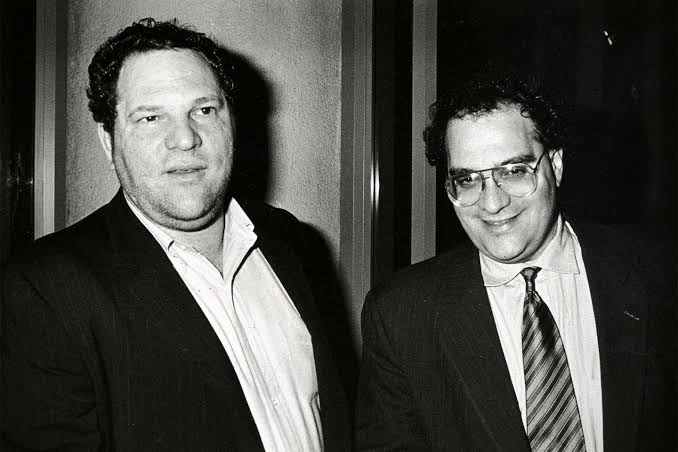

When people search for Harvey Weinstein young, they are often looking for the story behind the Hollywood producer before he became one of the most powerful and controversial figures in the film industry. Born in 1952 in Queens, New York, Weinstein grew up in a working-class family and developed an early interest in movies and entertainment. Long before Miramax became a major force in independent cinema, his career began with music concerts, business experiments, and a strong fascination with film.
His early years provide useful context for understanding how he moved from a young entertainment entrepreneur in Buffalo to a major Hollywood executive. His later criminal convictions and the allegations that transformed his public reputation are an essential part of the broader story, but they came decades after his initial rise.
Harvey Weinstein’s Childhood in Queens
Harvey Weinstein was born on March 19, 1952, in the Flushing area of Queens, New York. He was the older son of Max Weinstein and Miriam Weinstein and grew up alongside his younger brother, Bob. His father worked as a diamond cutter, while his mother worked as a homemaker and secretary.
The Weinstein brothers reportedly developed an interest in movies at a young age. Their childhood was not spent inside Hollywood circles. Instead, their family background was relatively ordinary, and their eventual entry into entertainment came through their own business efforts.
Movies became an important part of their lives while they were growing up. According to biographical accounts, the brothers watched a wide variety of films and gradually became particularly interested in independent and foreign-language cinema. That interest later influenced the kind of movies they sought to promote through Miramax.
Young Harvey Weinstein and His College Years
As a young man, Weinstein attended the State University of New York at Buffalo, now known as the University at Buffalo. He studied English and became involved with student activities, including entertainment programming and concerts. The university has documented his involvement in bringing major musical performances to Buffalo during his student years.
This period was important because Weinstein’s ambitions were already extending beyond the classroom. Rather than following a conventional career path, he became increasingly interested in entertainment promotion.
Together with fellow student Horace “Corky” Burger, Weinstein became involved in organizing concerts. One of their early successes was a 1972 performance by Stephen Stills. The experience helped establish Harvey & Corky Productions, which became a significant stepping stone toward his later career.
Although some older biographical accounts describe Weinstein as leaving college before completing his studies, the University at Buffalo later confirmed that he ultimately earned a bachelor’s degree, with the degree conferred in 2001 after additional credits were recognized.
From Concert Promoter to Film Entrepreneur
The story of Harvey Weinstein young is closely connected with Buffalo rather than Hollywood. During the 1970s, Weinstein and his partners promoted concerts featuring well-known musical acts. He and Bob eventually became involved in operating a theater where concert films were shown.
This experience taught Weinstein important lessons about audiences, promotion, distribution, and entertainment economics. Instead of simply creating content, he learned how entertainment could be packaged and marketed to specific audiences.
The transition from music to movies was therefore gradual. Weinstein’s early business career was built around finding audiences for entertainment and creating commercial opportunities. Those skills later became central to the Miramax business model.
The Creation of Miramax
In 1979, Harvey and Bob Weinstein founded Miramax Films. The company’s name was created from the first names of their parents, Miriam and Max. The company initially operated in Buffalo before expanding its presence in the larger film industry.
Miramax focused heavily on independent, foreign, and unconventional movies that larger studios were not always willing to distribute. The company gradually developed a reputation for finding films with strong artistic or commercial potential and bringing them to wider audiences.
This was a significant change from the young concert promoter described in accounts of Weinstein’s early years. The same entrepreneurial energy that had been used to promote concerts was now being applied to cinema.
How Young Harvey Weinstein Built His Business Style
Accounts of Weinstein’s early career frequently emphasize his intense approach to business. He became known for aggressive promotion and a willingness to take chances on projects that might not fit the traditional Hollywood formula.
Miramax eventually became associated with films such as Sex, Lies, and Videotape, The Crying Game, Pulp Fiction, and Shakespeare in Love. The company’s success helped establish independent cinema as an increasingly important commercial force in the American film business.
For people researching Harvey Weinstein young, this part of the story is especially important. His later Hollywood influence did not appear suddenly. It developed from years of experience in promotion, distribution, negotiation, and identifying entertainment projects with potential.
The Difference Between His Early Career and Later Reputation
It is important to separate Weinstein’s professional rise from the allegations and criminal cases that emerged many years later.
In October 2017, investigations by The New York Times and subsequent reporting brought numerous allegations of sexual harassment and sexual assault against Weinstein into international public attention. He was dismissed from his company, and the revelations became a major catalyst for the wider #MeToo movement.
Weinstein has denied allegations of non-consensual sex and has maintained that he did not sexually assault women. His legal history has since involved multiple criminal proceedings.
His 2020 New York conviction was overturned in 2024 by New York’s highest court, which ordered a new trial. In June 2025, a New York jury convicted him of sexually abusing Miriam Haley, acquitted him on another charge involving Kaja Sokola, and could not reach a verdict on a rape charge involving Jessica Mann. A third New York trial on the Mann charge ended in a mistrial in May 2026 after jurors remained deadlocked. Weinstein is also serving a 16-year California sentence from a 2022 rape conviction.
Why His Early Years Still Matter
Looking at Harvey Weinstein young is not about excusing or minimizing the serious allegations and criminal convictions associated with his later life. Instead, it helps explain how an individual from Queens developed the professional network and business experience that eventually placed him at the center of the international film industry.
His path was unusual because he did not begin as a traditional studio executive. His early career grew from live entertainment, local promotion, and independent business ventures. The move from concert promotion to film distribution demonstrated his ability to recognize opportunities outside established industry structures.
The Miramax story also shows how independent cinema changed during the 1980s and 1990s. Smaller films increasingly found audiences beyond specialized theaters, while aggressive distribution and marketing could turn relatively modest productions into major cultural and financial successes.
Harvey Weinstein Young: What Was He Like Before Fame?
Descriptions of Weinstein during his younger years generally focus on his interest in movies, entertainment, and business. He was entrepreneurial from an early stage and became deeply involved in concert promotion while attending college in Buffalo.
There is less reliable public documentation about his everyday personality during childhood than there is about his professional activities. For that reason, claims about exactly what he was “like” as a young person should be treated carefully rather than presented as established fact.
What can be documented is his growing interest in entertainment and his decision to pursue business opportunities instead of following a conventional career route. Those decisions eventually led him toward film distribution and production.
Frequently Asked Questions
When was Harvey Weinstein born?
Harvey Weinstein was born on March 19, 1952, in Flushing, Queens, New York. He grew up with his younger brother, Bob Weinstein.
Where did Harvey Weinstein go to college?
He attended the State University of New York at Buffalo, where he studied English and became involved in student entertainment activities. The University at Buffalo later confirmed that he earned a bachelor’s degree, which was formally conferred in 2001.
What did Harvey Weinstein do when he was young?
Before becoming a major film executive, Weinstein worked in concert promotion. He and Corky Burger organized musical performances in Buffalo, later working with his brother Bob. These activities helped lay the foundation for his entertainment career.
When did Harvey Weinstein start Miramax?
Harvey and Bob Weinstein founded Miramax in 1979. The company initially operated from Buffalo before becoming a major player in film distribution and production.
Why is Harvey Weinstein historically significant in film?
Weinstein became a major figure in independent film distribution and was associated with numerous successful and award-winning movies. His professional legacy, however, is inseparable from the sexual misconduct allegations and criminal cases that emerged publicly from 2017 onward.
Conclusion
The story of Harvey Weinstein young begins far from the Hollywood spotlight. Born in Queens and raised in an ordinary family, he developed an early fascination with movies before building experience as a concert promoter in Buffalo. His partnership with Bob Weinstein eventually led to Miramax, transforming him from a local entertainment entrepreneur into one of the most influential film executives of his era.
Understanding those early years provides context for his professional rise, but it should not be separated from the later record of allegations, convictions, and legal proceedings. His biography ultimately reflects two very different chapters: the ambitious young entrepreneur who entered entertainment through music and independent film, and the powerful producer whose career collapsed after extensive allegations of sexual misconduct became public.