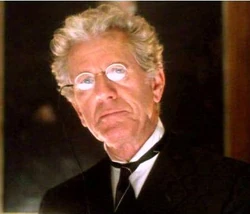

The name John Anderson actor is associated with one of Hollywood’s most recognizable character performers, a man whose career stretched across decades of American film and television. Known for his distinctive appearance, commanding screen presence, and ability to portray authority figures, Anderson became a familiar face to audiences who enjoyed classic Westerns, crime dramas, and television series.
John Anderson was not always the leading man, but his performances demonstrated why supporting actors are essential to great storytelling. Whether playing a sheriff, a judge, a rancher, or another influential character, he brought credibility and personality to his roles. His career reflected the changing landscape of American entertainment, from the golden age of studio filmmaking to the expanding world of television.
Although several people share the name John Anderson, this article focuses on the American character actor born in 1922, whose work earned him a respected place in Hollywood history.
Who Was John Anderson?
John Robert Anderson was born on October 20, 1922, in Clayton, Illinois, United States. He grew up during a period when American cinema was developing into a major cultural force. His generation experienced significant historical changes, including the Great Depression and World War II, before entering adulthood in a rapidly changing entertainment industry.
Anderson eventually developed a career that combined film appearances with an extensive television résumé. His tall presence, expressive face, and measured delivery made him particularly effective in roles requiring seriousness, confidence, or a sense of moral authority.
Unlike performers who became famous through one signature role, Anderson built his reputation gradually. He appeared in numerous productions, often bringing depth to characters who might otherwise have remained simple supporting figures.
His career also illustrates an important truth about Hollywood: a performer does not need to headline every production to become memorable. Consistency, professionalism, and the ability to make a character believable can create a lasting legacy.
Early Life and Career Beginnings
Finding His Place in Entertainment
John Anderson entered the entertainment business at a time when acting careers were developing through a combination of stage work, studio opportunities, and personal connections. The postwar years brought substantial changes to Hollywood, with television emerging as a powerful new medium alongside established film production.
Anderson’s early professional experiences helped him develop the discipline required for a long acting career. Performers working during this era often needed to adapt quickly to different directors, scripts, production schedules, and styles of storytelling.
His screen presence suited the growing demand for believable supporting characters. He could communicate experience and authority without relying on exaggerated expressions or unnecessarily dramatic dialogue.
Moving Into Film and Television
As his career progressed, Anderson became increasingly familiar to viewers through his appearances in popular television programs and feature films. Westerns were especially important to his professional identity, although his work was not limited to that genre.
The expansion of American television created opportunities for actors who could deliver strong performances in individual episodes while remaining adaptable across different productions. Anderson proved well suited to this environment.
Rather than being defined by a single type of character, he moved between roles that required different emotional qualities. This versatility helped him remain active across changing entertainment trends.
John Anderson’s Most Memorable Roles
Psycho
One of Anderson’s best-known film appearances came in Alfred Hitchcock’s psychological thriller Psycho (1960). He played California Charlie, a used-car salesman who encounters Marion Crane, portrayed by Janet Leigh, during her attempt to escape with stolen money.
Although Anderson’s role was relatively brief, his performance contributed to the film’s unsettling atmosphere. His character appears ordinary and conversational, yet the encounter carries the tension that defines Hitchcock’s storytelling.
The film remains an important part of Anderson’s career because it introduced his work to audiences who might not have regularly watched Western television programs. It also demonstrates how a supporting actor can strengthen a memorable scene without dominating it.
Ride the High Country
Anderson appeared as Elder Hammond in Ride the High Country (1962), a Western directed by Sam Peckinpah and starring Randolph Scott and Joel McCrea.
The film is widely remembered for its thoughtful treatment of aging, loyalty, personal honor, and the changing American West. Anderson’s involvement placed him within a production that approached the Western genre with greater emotional complexity than many conventional adventure stories.
His performance suited the film’s grounded atmosphere. Rather than relying on theatrical gestures, he helped create a believable world populated by characters shaped by their beliefs, ambitions, and circumstances.
The Twilight Zone
Television audiences also remember Anderson for his appearances in The Twilight Zone, the celebrated anthology series created by Rod Serling.
One particularly memorable performance came in the episode “A Passage for Trumpet,” in which he portrayed the angel Gabriel. The episode explores despair, human dignity, and the possibility of finding meaning when life seems hopeless.
Anderson’s calm delivery and distinctive appearance made him an effective choice for a character who needed to feel both mysterious and reassuring. His work demonstrated his ability to move beyond the authority figures and Western characters for which he was frequently recognized.
His appearances in the series remain a valuable part of his television legacy.
A Career Built on Television
Westerns and Classic Dramas
Western television offered Anderson many opportunities during the 1950s and 1960s. He appeared in established programs such as Gunsmoke, The Rifleman, and The Life and Legend of Wyatt Earp.
In the latter series, he portrayed Virgil Earp in a recurring role. The character gave him an opportunity to work within a familiar historical setting while contributing to the show’s dramatic treatment of frontier life.
Anderson’s ability to portray lawmen, judges, ranchers, and other respected figures made him a natural fit for Western storytelling. His characters frequently conveyed experience and authority, helping establish the atmosphere of a scene within a short amount of screen time.
His television career extended far beyond Westerns, however. He worked across crime dramas, science fiction, historical productions, and family entertainment, demonstrating a range that was easy to overlook when audiences associated him with one particular genre.
Dallas and North & South
Anderson also appeared in Dallas, the popular prime-time drama known for its complicated family relationships and corporate rivalries. He played Herbert Styles, an oil executive whose position fitted the series’ world of business competition and personal ambition.
In the historical miniseries North & South: Book I (1985), he portrayed William Hazard, a patriarch within the Hazard family. The production explored friendship, family divisions, and the social conflicts surrounding the American Civil War.
These roles illustrate how Anderson adapted his established screen presence to different settings. The same qualities that made him convincing in a Western could also support a modern business drama or a historical family saga.
His Portrayals of Historical Figures
One unusual feature of Anderson’s career was his resemblance to certain prominent historical personalities. His physical appearance and measured manner made him particularly suitable for portraying Abraham Lincoln.
He played Lincoln on several occasions, including in The Lincoln Conspiracy (1977). He also portrayed baseball commissioner Kenesaw Mountain Landis, another historical figure whose public image required a recognizable and authoritative presence.
Such casting decisions were more than a matter of appearance. Historical performances demand a balance between physical resemblance, speech, posture, and an understanding of the person being portrayed.
Anderson’s experience in character roles helped him approach these parts with restraint. His performances offered filmmakers a practical way to bring recognizable historical figures into a story without allowing impersonation to overwhelm the dramatic scene.
Personal Life and Family
Marriage and Children
John Anderson married Patricia Ann Cason on June 8, 1946. The couple had two children and shared many years of family life before Cason died in 1989.
Anderson generally maintained a relatively private personal life compared with the public attention surrounding modern celebrities. His professional reputation rested primarily on his acting work rather than on publicity about his relationships or family.
The loss of his wife was a significant personal event late in his life. He continued working in the entertainment industry, although personal circumstances inevitably shaped the years surrounding his later performances.
Because information about his family was not the central focus of his public career, it is important to distinguish documented biographical details from unsupported online claims.
Later Years and Death
John Anderson continued appearing in film and television into the late 1980s and early 1990s. One notable later performance came in the Star Trek: The Next Generation episode “The Survivors,” broadcast in 1989, in which he played Kevin Uxbridge.
The episode is remembered for its emotional approach to grief, guilt, and the consequences of extraordinary power. Anderson brought a restrained intensity to the character, making the story’s emotional revelations more effective.
Anderson died on August 7, 1992, in Sherman Oaks, Los Angeles, California. He was 69 years old, and the reported cause of death was a heart attack.
His death marked the end of a career that had connected several generations of American entertainment. Yet his performances remain available to audiences through classic films, television reruns, and later home-video releases.
Why John Anderson Still Matters
The lasting importance of Anderson’s work lies in his consistency. He was not dependent on one starring role or a carefully constructed celebrity image. Instead, he built a substantial career by making individual characters believable.
His performances also provide a useful snapshot of the entertainment industry’s development. He worked during the expansion of television, appeared in influential films, and adapted to changing styles of storytelling without losing the qualities that made him recognizable.
For viewers discovering classic Hollywood today, Anderson represents the strength of the character actor. His performances remind audiences that a convincing supporting role can shape a film’s atmosphere, strengthen its central conflict, and remain memorable long after the final scene.
Frequently Asked Questions
Who was John Anderson, the actor?
John Robert Anderson was an American character actor born on October 20, 1922, in Clayton, Illinois. He appeared in numerous films and television programs, including Psycho, The Twilight Zone, and Dallas.
What was John Anderson famous for?
He was known for playing authoritative and distinctive supporting characters, particularly in Westerns, crime dramas, historical productions, and science fiction. His role as California Charlie in Psycho is among his best-known film appearances.
Was John Anderson in The Twilight Zone?
Yes. Anderson appeared in several episodes of The Twilight Zone, including “A Passage for Trumpet,” in which he portrayed the angel Gabriel.
Did John Anderson play Abraham Lincoln?
Yes. Anderson portrayed Abraham Lincoln on multiple occasions, including in the 1977 film The Lincoln Conspiracy. His resemblance to the former president helped make him a suitable choice for the role.
Was John Anderson married?
Yes. He married Patricia Ann Cason in 1946, and they had two children. Cason died in 1989.
When did John Anderson die?
John Anderson died on August 7, 1992, at the age of 69. His reported cause of death was a heart attack.
Conclusion
John Anderson actor is a name worth remembering for anyone interested in classic American film and television. From his appearance in Hitchcock’s Psycho to his performances in The Twilight Zone, Ride the High Country, and North & South, Anderson demonstrated the value of versatility and quiet professionalism.
His career was built on memorable supporting performances rather than constant celebrity attention. By bringing credibility, authority, and humanity to a wide range of characters, he helped make countless productions more compelling.
Although Anderson passed away in 1992, his work continues to introduce new viewers to a talented performer from an important era in entertainment history. His legacy is a reminder that great acting is not always about being the star of the story; sometimes, it is about making every moment on screen count.