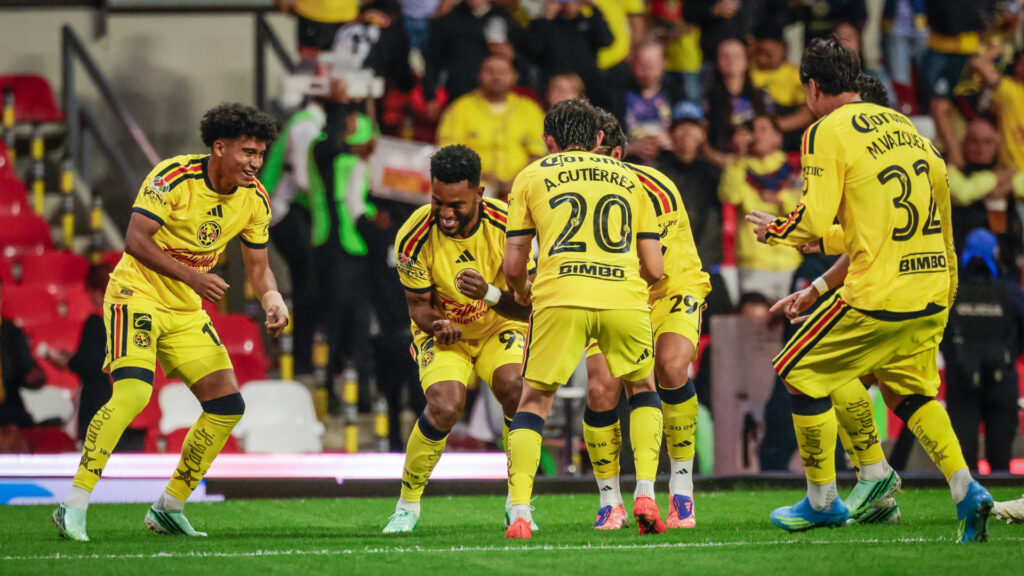

américa – toluca is a compelling matchup in Mexican football, bringing together two historic clubs with passionate supporters, championship ambitions, and a tradition of competitive performances. Whenever Club América and Deportivo Toluca FC meet, the game attracts attention because both teams have the quality, experience, and attacking potential to influence the outcome.
Their encounters are particularly interesting because each club has developed its own identity. América is widely recognized for its national following, high expectations, and history of success, while Toluca has built a strong reputation through its domestic achievements and ability to compete against Mexico’s leading sides.
The significance of this fixture extends beyond the ninety minutes on the pitch. League standings, tactical decisions, individual performances, and the pressure of playing for a major club can all shape the contest. Understanding these factors helps explain why América versus Toluca remains an important fixture for Mexican football fans.
The History Behind américa – toluca
Club América, based in Mexico City, is one of the most recognizable teams in Mexican football. Founded in 1916, the club has established a long tradition of competing for domestic honors. Its history includes championship campaigns, memorable players, and a large supporter base that follows the team across Mexico and beyond.
Toluca, officially known as Deportivo Toluca FC, was founded in 1917. Based in Toluca, in the State of Mexico, the club has also enjoyed considerable success in Mexican football. Its history includes numerous league titles and periods when the team has been among the strongest competitors in the country.
These backgrounds give their meetings additional significance. Both clubs understand the expectations associated with success, and neither traditionally approaches a major league fixture without ambitions of collecting all three points.
Over the years, their encounters have included regular-season contests and important postseason matches. The circumstances differ from one meeting to another, but the competitive nature of the fixture continues to make it an appealing event for supporters.
Why This Fixture Matters
Two Clubs With Championship Ambitions
América and Toluca are accustomed to competing at a high level. For América, a successful season often means challenging for the league title and meeting the expectations that come with being one of Mexico’s most prominent clubs.
Toluca also has a strong championship tradition. Its supporters expect the team to compete seriously against established opponents rather than simply participate in the league. That ambition makes matches against América especially meaningful.
When the teams meet during the regular season, the result can influence their positions in the standings and their prospects for the postseason. During a knockout round, the stakes can become even higher because a single match or a small difference across two legs may determine which club advances.
Passionate Supporters
The atmosphere surrounding a major Mexican football fixture is an important part of its appeal. América has a substantial following, while Toluca enjoys strong support in its home region.
Supporters contribute energy and emotion to these encounters, creating an environment in which every goal, defensive intervention, and refereeing decision can become a talking point.
The pressure can affect players as well. Experienced footballers must remain composed when the crowd becomes louder, the scoreline changes, or the match enters its decisive stages. Maintaining concentration under those conditions is often just as important as technical ability.
Team Strengths and Playing Styles
América’s Attacking Approach
América is often associated with an ambitious style of football that emphasizes possession, movement, and attacking pressure. Depending on the coach, available players, and opposition, the team may look to control the ball or attack quickly after winning possession.
One important factor is the relationship between midfielders and forwards. When these players combine effectively, América can create opportunities through short passing sequences, overlapping runs, and quick changes of direction.
The team’s ability to move the ball into dangerous areas can put opposing defenders under considerable pressure. However, an attacking approach also requires balance. If too many players move forward at once, the opposition may find space to launch counterattacks.
Against Toluca, América must therefore combine creativity with disciplined defending. Controlling possession is valuable, but turning that possession into clear scoring opportunities is what ultimately matters.
Toluca’s Competitive Identity
Toluca has a history of producing teams capable of challenging Mexico’s strongest clubs. Its traditional red identity and the nickname Diablos Rojos, meaning Red Devils, are closely associated with the team’s competitive reputation.
Toluca can threaten opponents through direct attacking movements, combinations around the penalty area, and quick transitions. When its forwards receive quality service, the team can create scoring opportunities without needing to dominate possession for the entire match.
Midfield organization is particularly important against América. Toluca must find ways to disrupt the opposition’s passing rhythm while maintaining enough attacking presence to exploit defensive openings.
The team’s success often depends on its ability to remain organized during difficult periods. If Toluca can withstand pressure and take advantage of opportunities at the other end, it can make the contest uncomfortable for any opponent.
Key Tactical Battles
Control of the Midfield
Midfield competition is likely to be one of the most important elements of any América – Toluca encounter. The team that controls this area can influence the tempo, determine where attacks develop, and limit the opposition’s opportunities to advance.
América may attempt to establish possession and move defenders out of position through patient passing. Toluca, meanwhile, could look to press the ball carrier and force mistakes before launching forward.
Winning second balls is another important consideration. When a pass is intercepted or a clearance falls into midfield, the team that reacts first can regain control and begin another attack.
These small moments may not always attract attention, but they frequently determine which side enjoys the greater territorial advantage.
Defensive Organization
Strong attacking teams still need reliable defensive structures. Against an opponent with dangerous forwards, a poorly timed challenge or a missed assignment can change the course of the match.
América must be alert to Toluca’s forward runs and the spaces left behind its attacking players. Toluca faces a similar challenge when trying to contain América’s movement in the final third.
Communication between central defenders, fullbacks, and midfielders is essential. Players must know when to step forward, when to track runners, and when to protect the space in front of their goalkeeper.
The most successful defensive performances are not necessarily those involving the most tackles. Positioning, anticipation, and coordinated movement can prevent dangerous situations before they develop.
Finishing Opportunities
Creating chances and converting them are two different challenges. A team may dominate possession and produce several promising attacks without scoring, while its opponent might need only one well-executed move to take the lead.
For that reason, finishing efficiency is particularly important in a closely contested fixture. Strikers need composure in front of goal, while midfielders and wide players must deliver accurate passes into dangerous areas.
Set pieces can also prove decisive. Corners and free kicks provide opportunities to score even when open-play attacks are being defended effectively.
Players Who Can Influence the Match
Individual performances often make the difference in a game between two well-matched teams. While the confirmed starting lineups and current form should always be checked before identifying the leading contenders, several player roles deserve attention.
The Main Strikers
Forwards carry the responsibility of turning attacking moves into goals. Their movement can create space for teammates, stretch defensive lines, and force defenders into difficult decisions.
In a match where opportunities may be limited, a striker’s first touch, positioning, and decision-making can become decisive. Even a brief lapse in concentration from the defending team may provide the opening needed to score.
Creative Midfielders
Creative midfielders connect defensive and attacking phases. Their passing range allows a team to switch play, find advancing teammates, and exploit gaps between opposing players.
Their contribution is not limited to assists. By maintaining possession under pressure and choosing the right moment to accelerate an attack, they can help their team control the overall rhythm.
Goalkeepers and Defenders
Goalkeepers can have an equally significant influence. A well-timed save may preserve a lead, prevent an opponent from gaining momentum, or keep a team in contention during a difficult spell.
Defenders also need to remain composed when facing quick combinations and repeated attacks. Their ability to maintain a strong line and clear dangerous deliveries can determine whether the opposition converts its pressure into goals.
Recent Form and Head-to-Head Context
Recent results offer useful clues about the strengths and weaknesses of both teams, but they should not be treated as guarantees of what will happen next.
A team that has won several consecutive matches may enter the contest with confidence. However, its performance against a particular opponent can depend on tactical matchups, injuries, suspensions, and the amount of recovery time available between games.
Head-to-head records also require careful interpretation. Historical victories provide context, but matches played under different coaches and with different squads do not necessarily predict the next result.
When assessing América – Toluca, supporters should consider recent league performances alongside the quality of the opposition, goals scored, goals conceded, and the team’s ability to respond when falling behind.
Home advantage can also matter. Familiar surroundings and crowd support may encourage the home team to attack more confidently, although experienced opponents can still manage the pressure and produce strong performances away from home.
What Makes This Match Difficult to Predict?
There are several reasons why this fixture can be difficult to forecast with confidence.
First, both teams have the potential to create scoring opportunities. A strong attacking spell from either side could quickly change the balance of the game.
Second, tactical adjustments may have a major impact. A coach who changes the pressing approach, introduces a fresh forward, or strengthens the midfield can influence the match during its later stages.
Third, the opening goal can alter both teams’ plans. A side that takes the lead may become more cautious, while the team trailing on the scoreboard may commit additional players to attack.
Discipline is another factor. Unnecessary fouls, yellow cards, and red cards can force coaches to change their strategies and leave certain areas of the pitch exposed.
Rather than assuming one team will win, it is more useful to examine the available evidence and recognize the different ways the match could develop.
The Importance of the Liga MX Standings
Every regular-season fixture can contribute to a club’s broader ambitions. Points collected throughout the campaign influence league positions and determine how teams approach the final stages of the competition.
For América, maintaining a strong position can help sustain its championship ambitions and build confidence ahead of the postseason.
For Toluca, a positive result against a major rival can strengthen its own campaign and demonstrate its ability to compete against leading opposition.
The importance of the result depends on the stage of the season. Early in the campaign, teams have more opportunities to recover from setbacks. As the schedule approaches its conclusion, dropped points can become considerably more costly.
This context helps explain why matches between established clubs often carry significance beyond the immediate result.
Frequently Asked Questions
What Is América – Toluca?
América – Toluca refers to a football match between Club América and Deportivo Toluca FC, two established clubs competing in Mexico’s top domestic football competition, Liga MX.
Where Are América and Toluca Based?
Club América is based in Mexico City, while Deportivo Toluca FC is based in Toluca, in the State of Mexico. Both clubs have long histories and strong regional identities.
Which Team Has the Better Record?
The answer depends on the competition, period, and type of matches being compared. Overall historical records, recent league meetings, and postseason encounters can produce different perspectives. A current head-to-head record should be checked against reliable match statistics before drawing a firm conclusion.
What Determines the Outcome of América – Toluca?
Midfield control, defensive organization, finishing quality, goalkeeper performances, and tactical substitutions can all influence the result. The opening goal and the teams’ responses to changing circumstances may also prove important.
Where Can Supporters Find the Latest Match Information?
Supporters can consult official club announcements and Liga MX match coverage for confirmed lineups, kickoff times, match statistics, and final scores. Checking updated information is particularly important because team selections and match circumstances can change.
Conclusion
américa – toluca brings together two ambitious Mexican football clubs with rich histories, committed supporters, and the ability to produce competitive performances. Their contrasting tactical approaches make the fixture interesting, while the quality of their players creates the possibility of decisive moments at either end of the pitch.
América’s attacking movement, Toluca’s ability to challenge established opponents, and the importance of midfield control are all factors worth watching. Defensive discipline, clinical finishing, and effective substitutions may ultimately determine which team gains the advantage.
Although history and recent form provide useful context, neither guarantees a particular result. Every meeting develops according to the players available, the strategies employed, and the decisions made during the game.
For supporters, that uncertainty is part of the attraction. Whether the contest becomes an open attacking battle or a closely managed tactical encounter, América versus Toluca remains a fixture that deserves attention from followers of Mexican football.