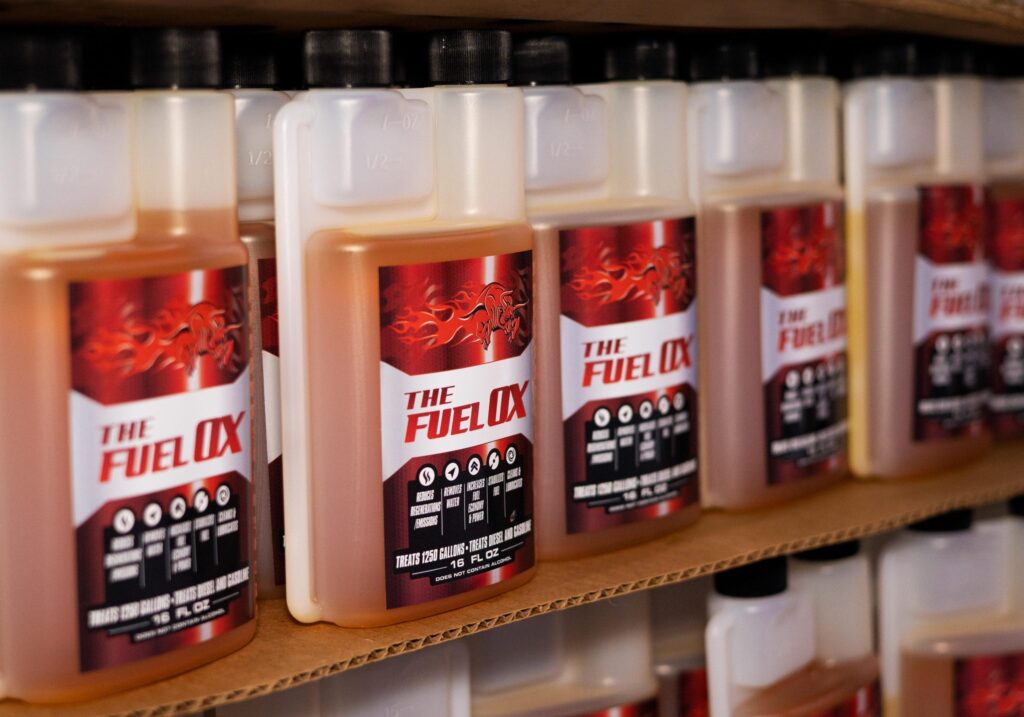

When it comes to maintaining a diesel engine, choosing the best diesel fuel additive can make a noticeable difference in performance, longevity, and fuel efficiency. Whether you drive a heavy-duty truck, a diesel car, or operate machinery, fuel quality plays a crucial role in how your engine behaves over time.
Modern diesel engines are more advanced than ever, but they are also more sensitive to fuel impurities, water contamination, and carbon buildup. This is where the best diesel fuel additive becomes essential. It acts as a protective layer, improving combustion, cleaning injectors, and preventing long-term engine damage.
In this comprehensive guide, you will learn everything you need to know about selecting the right diesel additive, how it works, and why it is a smart investment for your vehicle.
Understanding What a Diesel Fuel Additive Does
A diesel fuel additive is a specially formulated liquid designed to enhance the properties of diesel fuel. While diesel itself provides energy for combustion, it does not always contain the necessary components to keep your engine running clean and efficiently.
The best diesel fuel additive typically performs several functions at once. It cleans fuel injectors, prevents deposits, improves lubrication, and boosts cetane levels for better ignition. These benefits translate into smoother engine operation and improved fuel economy.
In regions where diesel quality varies, additives become even more important. Low-quality fuel may contain impurities or lack lubricating properties, which can lead to premature engine wear. Using the best diesel fuel additive helps counter these issues effectively.
Why Modern Diesel Engines Need Additives
Modern diesel engines are built with precision components such as high-pressure common rail systems and advanced injectors. While these innovations improve performance and reduce emissions, they also make engines more vulnerable to fuel-related problems.
Ultra-low sulfur diesel (ULSD), now widely used, burns cleaner but lacks natural lubricating properties. This can increase friction inside the engine. The best diesel fuel additive restores this lost lubrication, protecting critical components.
Additionally, modern engines are prone to carbon buildup. Over time, deposits can clog injectors and reduce efficiency. A high-quality additive prevents this buildup and keeps the fuel system clean.
Cold weather also presents challenges. Diesel fuel can gel at low temperatures, making it difficult for engines to start. Many additives include anti-gel properties, ensuring reliable performance in colder climates.
Key Benefits of Using the Best Diesel Fuel Additive
One of the main advantages of using the best diesel fuel additive is improved engine performance. By enhancing combustion efficiency, additives allow the engine to produce more power with less fuel.
Fuel economy is another major benefit. Cleaner injectors and better combustion mean that your engine uses fuel more efficiently, reducing overall consumption.
Engine protection is equally important. Additives reduce wear and tear by improving lubrication and preventing corrosion. This leads to a longer engine lifespan and fewer costly repairs.
Another benefit is reduced emissions. Cleaner combustion results in fewer harmful exhaust gases, making your vehicle more environmentally friendly.
Lastly, additives help maintain consistent performance. Whether you are driving in extreme heat or cold, the best diesel fuel additive ensures that your engine operates smoothly under all conditions.
Types of Diesel Fuel Additives Explained
Not all diesel additives are the same. Understanding the different types can help you choose the right product for your needs.
Cetane boosters improve ignition quality, leading to smoother and quieter engine operation. These are particularly useful if your engine struggles with rough starts.
Fuel system cleaners focus on removing deposits from injectors and fuel lines. They are essential for maintaining efficiency over time.
Anti-gel additives are designed for cold weather conditions. They prevent fuel from thickening, ensuring reliable engine starts in winter.
Lubricity enhancers restore the natural lubrication lost in ultra-low sulfur diesel. This protects engine components from excessive wear.
Water dispersants and demulsifiers handle moisture contamination. Water in diesel fuel can cause corrosion and microbial growth, so removing it is crucial.
Choosing the best diesel fuel additive often means selecting a product that combines several of these functions into one formula.
How to Choose the Best Diesel Fuel Additive
Selecting the right additive depends on your driving conditions, engine type, and fuel quality. Not every product will suit every vehicle, so it is important to consider your specific needs.
If you frequently drive in cold climates, look for additives with strong anti-gel properties. For high-mileage engines, a cleaner with lubrication benefits may be more suitable.
Always check compatibility with your engine. Some additives are specifically designed for modern engines with emission systems such as diesel particulate filters.
Reputation matters as well. Trusted brands often invest in research and testing, ensuring that their products deliver consistent results.
Reading product labels and understanding the ingredients can also help you make an informed decision. The best diesel fuel additive will clearly state its benefits and usage instructions.
Common Mistakes to Avoid When Using Diesel Additives
While additives are beneficial, improper use can reduce their effectiveness. One common mistake is overusing the product. Adding more than recommended does not improve performance and may even cause issues.
Another mistake is inconsistent use. For best results, additives should be used regularly, not just occasionally.
Using the wrong type of additive can also be problematic. For example, using a summer formula in winter conditions may not provide adequate protection.
Ignoring manufacturer guidelines is another issue. Always follow the instructions provided with the additive to ensure optimal results.
Finally, relying solely on additives without proper maintenance is not advisable. Regular servicing and quality fuel are still essential for engine health.
Real-World Impact of Using Diesel Fuel Additives
Drivers who consistently use the best diesel fuel additive often notice immediate improvements in engine smoothness and responsiveness. Over time, these benefits become even more apparent.
Fuel efficiency gains can lead to significant savings, especially for those who drive long distances or operate commercial vehicles.
Reduced maintenance costs are another advantage. Cleaner engines require fewer repairs, and components last longer.
In industrial applications, additives can improve equipment reliability, reducing downtime and increasing productivity.
These real-world benefits highlight why diesel additives are considered a valuable tool for engine care.
Environmental and Economic Advantages
Using the best diesel fuel additive is not just about performance; it also has environmental and economic benefits.
Cleaner combustion reduces emissions, contributing to better air quality. This is particularly important in urban areas where pollution levels are a concern.
Improved fuel efficiency means lower fuel consumption, which translates to cost savings. Over time, these savings can outweigh the cost of the additive itself.
Longer engine life also reduces the need for replacement parts, minimizing waste and conserving resources.
These advantages make diesel additives a practical and responsible choice for vehicle owners.
Internal and External Resources for Further Reading
For a deeper understanding of diesel engine maintenance, you can explore your website’s related content such as “How to Improve Diesel Engine Efficiency” or “Signs Your Fuel Injectors Need Cleaning.”
For authoritative information, consider reviewing resources from organizations like the U.S. Department of Energy or automotive research institutions that study fuel performance and emissions.
Conclusion: Is the Best Diesel Fuel Additive Worth It?
The answer is a clear yes. Investing in the best diesel fuel additive is a simple yet effective way to enhance engine performance, protect critical components, and improve fuel efficiency.
From preventing carbon buildup to ensuring smooth operation in extreme conditions, the benefits are both immediate and long-term. Whether you are a daily driver or manage a fleet of vehicles, the right additive can make a significant difference.
By understanding your engine’s needs and choosing a high-quality product, you can enjoy a more reliable, efficient, and cost-effective driving experience.
FAQs About Best Diesel Fuel Additive
What is the main purpose of a diesel fuel additive?
The main purpose of the best diesel fuel additive is to improve fuel quality, enhance combustion, clean the fuel system, and protect engine components from wear and deposits.
Can diesel additives improve fuel economy?
Yes, a high-quality additive can improve fuel efficiency by ensuring cleaner combustion and optimal engine performance.
Is it safe to use diesel additives regularly?
Most additives are designed for regular use and are safe when used according to the manufacturer’s instructions.
Do diesel additives work in all engines?
Most additives are compatible with modern diesel engines, but it is important to check the product specifications to ensure compatibility.
Are diesel additives necessary for new vehicles?
Even new vehicles can benefit from additives, especially if fuel quality is inconsistent or if you want to maintain peak performance over time.