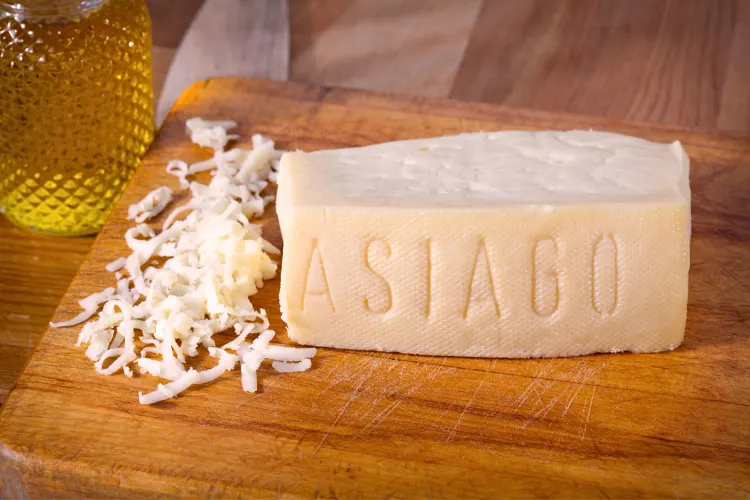

Asiago cheese is one of Italy’s most beloved dairy treasures, known for its rich flavor, versatile texture, and centuries-old heritage. Whether you’ve encountered asiago cheese on a gourmet sandwich, grated over pasta, or served on a cheese board, its distinct taste leaves a lasting impression. This article explores everything you need to know about asiago cheese, from its origins and production methods to how to use it in your kitchen.
Introduction to Asiago Cheese
Asiago cheese originates from the Asiago plateau in northeastern Italy, a region famous for its lush pastures and high-quality milk. Traditionally crafted from cow’s milk, asiago cheese has evolved over time into two main varieties, each offering a unique flavor profile and culinary application.
The younger version is soft, creamy, and mild, while the aged variety develops a firmer texture and a sharper, more complex taste. This diversity makes asiago cheese a favorite among chefs and home cooks alike. Today, asiago cheese is produced not only in Italy but also in other parts of the world, although authentic versions still adhere to strict traditional methods.
The History and Origins of Asiago Cheese
The story of asiago cheese dates back over a thousand years. Initially made from sheep’s milk, it later transitioned to cow’s milk as farming practices evolved. The Asiago plateau provided the perfect environment for dairy farming, and local artisans perfected the cheese-making process over generations.
As trade expanded, asiago cheese gained popularity beyond Italy’s borders. Today, it holds a Protected Designation of Origin status in Europe, ensuring that traditional asiago cheese produced in specific regions meets strict quality standards. This heritage contributes to its reputation as a premium cheese with authentic roots.
Types of Asiago Cheese
Asiago cheese is broadly categorized into two main types based on aging. Each type has distinct characteristics that influence how it is used in cooking.
Fresh Asiago (Asiago Pressato)
Fresh asiago cheese, also known as Asiago Pressato, is aged for a short period, typically around one month. It has a smooth, elastic texture and a mild, slightly sweet flavor. This version of asiago cheese melts beautifully, making it ideal for sandwiches, paninis, and creamy sauces.
Aged Asiago (Asiago d’Allevo)
Aged asiago cheese, or Asiago d’Allevo, matures over several months to years. As it ages, the texture becomes firmer and more crumbly, while the flavor intensifies. It can range from slightly nutty to sharp and tangy, depending on the aging duration.
This type of asiago cheese is perfect for grating over pasta, risotto, or salads. It is often compared to Parmesan but offers a more nuanced flavor profile.
How Asiago Cheese Is Made
The production of asiago cheese follows a traditional process that emphasizes quality and craftsmanship. Fresh cow’s milk is heated and combined with rennet to form curds. These curds are then cut, cooked, and pressed into molds.
For fresh asiago cheese, the aging process is brief, resulting in a soft and creamy texture. In contrast, aged asiago cheese undergoes extended maturation in controlled environments, allowing complex flavors to develop over time.
The final product is a cheese that reflects both the skill of the cheesemaker and the quality of the ingredients used.
Flavor Profile and Texture
Asiago cheese is celebrated for its dynamic flavor and texture, which vary depending on its age. Fresh asiago cheese is mild, buttery, and slightly sweet, making it approachable for a wide range of palates.
Aged asiago cheese, on the other hand, offers a more robust taste. It can be nutty, tangy, and even slightly spicy. The texture transitions from soft and pliable to firm and crumbly, adding to its versatility in cooking.
This range of characteristics makes asiago cheese suitable for both subtle and bold culinary applications.
Culinary Uses of Asiago Cheese
Asiago cheese is incredibly versatile and can be used in numerous dishes. Its ability to melt smoothly or add a sharp finishing touch makes it a staple in many kitchens.
Fresh asiago cheese works well in grilled sandwiches, pizzas, and casseroles. Its creamy texture enhances comfort foods and adds richness without overpowering other ingredients.
Aged asiago cheese is often grated over pasta dishes, soups, and salads. It pairs beautifully with ingredients like tomatoes, mushrooms, and leafy greens. It can also be enjoyed on its own as part of a cheese platter, accompanied by fruits, nuts, and wine.
In modern cuisine, asiago cheese is frequently used in gourmet recipes, from artisan breads to savory pastries. Its distinctive flavor elevates both simple and complex dishes.
Nutritional Value of Asiago Cheese
Asiago cheese is not only delicious but also nutritious. It is a good source of protein, calcium, and essential vitamins. These nutrients contribute to bone health, muscle function, and overall well-being.
However, like most cheeses, asiago cheese is relatively high in fat and sodium. Moderation is key when incorporating it into your diet. Choosing high-quality asiago cheese ensures you get the best nutritional benefits along with superior taste.
Pairing Asiago Cheese with Food and Wine
Pairing asiago cheese with complementary foods enhances its flavor and creates a memorable dining experience. Fresh asiago cheese pairs well with light, crisp wines and fresh fruits such as apples and pears.
Aged asiago cheese, with its stronger flavor, pairs beautifully with robust red wines and hearty dishes. It also complements cured meats, olives, and crusty bread.
Experimenting with different pairings allows you to discover new ways to enjoy asiago cheese and appreciate its versatility.
Storing and Preserving Asiago Cheese
Proper storage is essential to maintain the quality of asiago cheese. It should be kept in the refrigerator, wrapped in wax paper or parchment paper, and then placed in an airtight container.
This method helps preserve its flavor and texture while preventing it from drying out. Fresh asiago cheese should be consumed relatively quickly, while aged asiago cheese can last longer if stored properly.
Avoid freezing asiago cheese, as it can alter the texture and diminish its quality.
Buying Authentic Asiago Cheese
When purchasing asiago cheese, look for labels that indicate authenticity and quality. Traditional asiago cheese from Italy often carries certification marks that guarantee its origin and production standards.
In local markets or specialty stores, you may find both imported and domestically produced versions. While both can be enjoyable, authentic asiago cheese offers a unique taste that reflects its heritage.
Exploring different varieties allows you to find the type of asiago cheese that best suits your preferences.
Health Considerations
Asiago cheese can be part of a balanced diet when consumed in moderation. Its high protein and calcium content make it a valuable addition to meals. However, individuals with lactose intolerance or dietary restrictions should consider their tolerance levels.
There are also lower-fat versions of asiago cheese available, which provide a lighter alternative without sacrificing too much flavor.
Why Asiago Cheese Stands Out
Among the many cheeses available today, asiago cheese stands out for its rich history, diverse flavor profiles, and culinary versatility. It bridges the gap between mild and bold cheeses, offering something for every taste.
From traditional Italian recipes to modern fusion dishes, asiago cheese continues to inspire chefs and food enthusiasts around the world. Its ability to adapt to different cuisines and cooking styles makes it a timeless favorite.
Conclusion
Asiago cheese is more than just an ingredient; it is a reflection of tradition, craftsmanship, and culinary creativity. Whether you prefer the creamy texture of fresh asiago cheese or the bold flavor of its aged counterpart, there is no denying its appeal.
By understanding its origins, characteristics, and uses, you can fully appreciate what makes asiago cheese so special. Incorporating asiago cheese into your meals not only enhances flavor but also connects you to a rich culinary heritage that has stood the test of time.
Frequently Asked Questions About Asiago Cheese
What does asiago cheese taste like?
Asiago cheese has a flavor that varies with age. Fresh asiago cheese is mild and slightly sweet, while aged asiago cheese is sharper, nuttier, and more complex.
Is asiago cheese similar to Parmesan?
Aged asiago cheese is often compared to Parmesan due to its firm texture and strong flavor. However, asiago cheese tends to have a more nuanced and slightly creamier taste.
Can asiago cheese be used for melting?
Yes, fresh asiago cheese melts very well and is ideal for dishes like sandwiches, pizzas, and sauces. Aged asiago cheese is better suited for grating.
How long does asiago cheese last?
Fresh asiago cheese should be consumed within a few weeks, while aged asiago cheese can last longer if stored properly in the refrigerator.
Is asiago cheese healthy?
Asiago cheese provides protein and calcium, making it a nutritious option when eaten in moderation. However, it should be balanced with other foods due to its fat and sodium content.