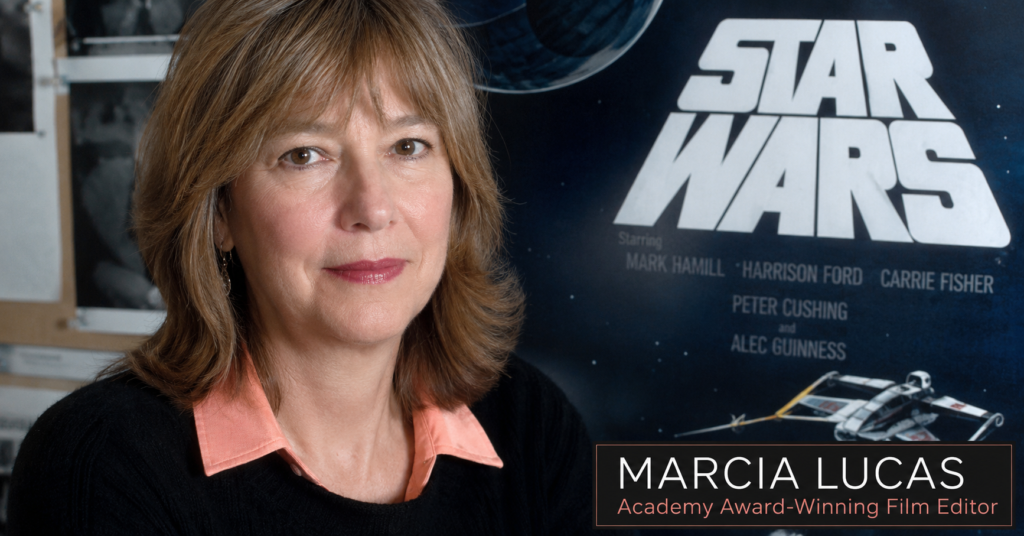

When discussing the history of cinema, the name Marcia Lucas deserves far more recognition than it often receives. Known for her exceptional editing skills and her significant contributions to some of Hollywood’s most influential films, Marcia Lucas played a vital role in shaping modern movie storytelling. While many people recognize the directors and actors behind legendary productions, the work of talented editors like Marcia Lucas often remains behind the scenes despite its enormous impact.
Her career spans some of the most important films in American cinema, and her influence can still be felt today. From helping craft the emotional rhythm of blockbuster films to earning prestigious industry awards, she remains a fascinating figure whose contributions continue to inspire filmmakers and movie lovers alike.
Early Life and Passion for Filmmaking
Marcia Lucas was born as Marcia Lou Griffin on October 4, 1945, in California, United States. Growing up during a period when Hollywood was evolving rapidly, she developed an interest in storytelling and filmmaking at an early age. Her fascination with cinema eventually led her to pursue a career in film editing, a field that was often overlooked by the general public but crucial to the filmmaking process.
Editing requires a unique combination of creativity, technical skill, and emotional intelligence. It is the stage where raw footage is transformed into a compelling narrative. Marcia Lucas quickly demonstrated a natural talent for this craft, earning opportunities to work alongside some of the most respected filmmakers of her era.
Building a Career in Hollywood
Before becoming widely known, Marcia Lucas worked as an apprentice editor and assistant editor on several projects. Her dedication and attention to detail helped her gain recognition within the industry.
One of her early professional breakthroughs came through collaborations with influential directors who were part of the emerging generation of filmmakers transforming Hollywood during the late 1960s and early 1970s. These experiences allowed her to refine her editing style and establish herself as a highly skilled professional.
Her ability to understand character emotions and story pacing distinguished her from many of her contemporaries. Rather than focusing solely on technical precision, she approached editing as an art form that could deepen audience engagement and strengthen emotional connections.
The Star Wars Connection
No discussion of Marcia Lucas would be complete without examining her role in the creation of the original Star Wars film. Released in 1977, the movie became a cultural phenomenon and transformed the entertainment industry forever.
Although director George Lucas is often credited as the visionary behind the franchise, many film historians and industry professionals acknowledge that Marcia Lucas made critical contributions during the editing process. Alongside fellow editors Richard Chew and Paul Hirsch, she helped shape the final version of the film that audiences eventually saw.
Editing played a crucial role in improving the pacing, emotional impact, and narrative flow of Star Wars. Several industry experts have noted that the original rough cuts required substantial refinement before reaching their final form. Through careful editing decisions, Marcia Lucas helped create many of the emotional moments that resonated deeply with audiences.
Her work on the film earned widespread praise and contributed significantly to its storytelling success. The original Star Wars went on to become one of the most influential movies in cinematic history, launching a franchise that remains popular decades later.
Academy Award Recognition
The outstanding work of Marcia Lucas received formal recognition from the film industry when she shared the Academy Award for Best Film Editing for Star Wars at the 50th Academy Awards.
Winning an Oscar is one of the highest honors in filmmaking, and this achievement highlighted the importance of editing in creating a successful motion picture. The award also placed Marcia Lucas among an elite group of film editors whose contributions have left a lasting mark on cinema.
Her Oscar win demonstrated that exceptional storytelling extends beyond directing and acting. Editors serve as the architects of a film’s rhythm, emotion, and clarity, and her success brought valuable attention to this often-underappreciated profession.
Work Beyond Star Wars
While Star Wars remains her most widely recognized project, Marcia Lucas built an impressive body of work throughout her career. She contributed to several acclaimed films that showcased her versatility and storytelling expertise.
Among her notable credits are American Graffiti, Taxi Driver, Alice Doesn’t Live Here Anymore, and New York, New York. These films represented different genres and styles, demonstrating her ability to adapt her editing approach to the unique needs of each story.
Working with celebrated directors and talented creative teams allowed her to gain a deeper understanding of cinematic storytelling. Her projects consistently reflected strong narrative structure, emotional depth, and careful attention to character development.
This diverse portfolio established her reputation as one of Hollywood’s most respected editors during a transformative period in film history.
Creative Partnership with George Lucas
The professional and personal relationship between Marcia Lucas and George Lucas has long been a topic of interest among film enthusiasts. The couple married in 1969 and collaborated on several important projects during their years together.
Their creative partnership contributed to the success of films that helped define a generation of American cinema. While George Lucas focused on directing and producing, Marcia Lucas brought a valuable editorial perspective that strengthened the storytelling process.
Many filmmakers recognize the importance of creative collaboration, and their partnership serves as a notable example of how different artistic talents can complement one another. Together, they contributed to projects that continue to influence filmmakers around the world.
Although the couple eventually divorced in 1983, the professional achievements they shared remain an important part of film history.
Influence on Modern Film Editing
The impact of Marcia Lucas extends far beyond the movies she directly worked on. Her editing philosophy emphasized emotional storytelling, character-driven narratives, and audience engagement.
Modern editors frequently study classic films to understand effective storytelling techniques, and her work continues to serve as an educational example. Many of the editing choices seen in contemporary blockbuster films can be traced back to techniques developed and refined during the era in which she worked.
Film schools and industry professionals often highlight the importance of pacing, emotional continuity, and narrative structure—qualities that were central to her editing style. As a result, her influence remains present in both independent cinema and major studio productions.
Why Her Contributions Matter Today
In recent years, there has been growing recognition of the many behind-the-scenes professionals who contribute to cinematic success. Editors, cinematographers, production designers, and sound engineers all play essential roles in bringing stories to life.
Marcia Lucas stands as an important example of how creative contributions behind the camera can profoundly influence a film’s success. Her career reminds audiences that filmmaking is a collaborative art form where many talented individuals work together to create memorable experiences.
The increasing appreciation for her achievements reflects a broader effort to acknowledge the contributions of professionals whose work may not always receive public attention but remains essential to great storytelling.
Legacy of Excellence
The legacy of Marcia Lucas is built upon craftsmanship, creativity, and dedication to storytelling. Her work helped shape some of the most beloved films in cinematic history while setting high standards for future generations of editors.
Her Academy Award-winning achievements, influential editing techniques, and contributions to groundbreaking films have secured her place in Hollywood history. As discussions about filmmaking continue to evolve, her role in shaping iconic movies receives the recognition it deserves.
For aspiring filmmakers and editors, her career serves as a reminder that technical expertise combined with artistic vision can leave a lasting impact on audiences across generations.
Conclusion
Marcia Lucas remains one of the most influential yet often overlooked figures in Hollywood history. Through her exceptional editing skills, she helped transform films into emotionally engaging experiences that continue to resonate with audiences worldwide. Her contributions to Star Wars and numerous other acclaimed productions demonstrate the critical role editors play in successful storytelling.
As appreciation for film editing grows, the accomplishments of Marcia Lucas continue to receive well-deserved recognition. Her career stands as a testament to the power of creative collaboration, artistic excellence, and dedication to the craft of filmmaking. For anyone interested in cinema history, her story offers valuable insight into the people who help turn great ideas into unforgettable films.
Frequently Asked Questions
Who is Marcia Lucas?
Marcia Lucas is an American film editor best known for her Academy Award-winning work on the original Star Wars film and several other acclaimed Hollywood productions.
Did Marcia Lucas win an Oscar?
Yes, Marcia Lucas shared the Academy Award for Best Film Editing for Star Wars at the 50th Academy Awards.
What films did Marcia Lucas work on?
Some notable films include Star Wars, American Graffiti, Taxi Driver, Alice Doesn’t Live Here Anymore, and New York, New York.
What was Marcia Lucas’s role in Star Wars?
She served as one of the film’s editors and helped shape the final narrative structure, pacing, and emotional impact of the movie.
Why is Marcia Lucas important in film history?
Her editing contributions helped define modern cinematic storytelling, and her work on influential films continues to inspire editors and filmmakers around the world.