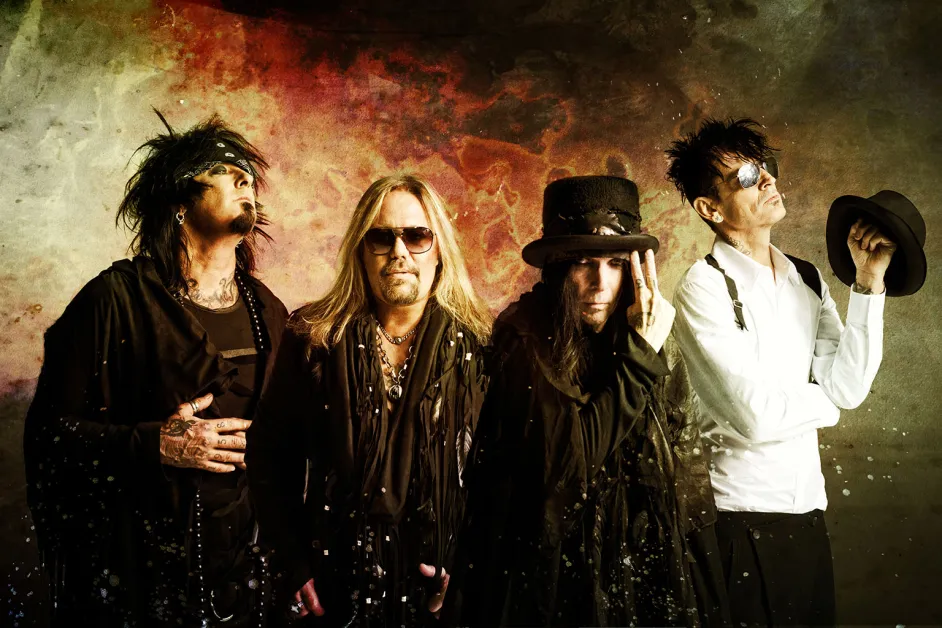

Motley Crue songs have left an indelible mark on rock history, shaping the sound of heavy metal and glam rock for decades. From raucous anthems that defined the 1980s to gritty ballads that revealed vulnerable sides, the band’s catalog is as diverse as it is memorable. For fans seeking to revisit classic hits or newcomers curious about what made Motley Crue a cultural phenomenon, this comprehensive guide unpacks the essence, impact, and stories behind the group’s most influential work.
Whether you’re chasing raw guitar riffs, lyrical bravado, or unforgettable hooks, Motley Crue songs offer a rich tapestry of sound and attitude. This article explores the band’s evolution, the creative forces behind their music, and the enduring legacy of their most celebrated tracks. Along the way, we’ll offer insights into how these songs influenced broader rock culture and why they continue to resonate with listeners today.
The Rise of Motley Crue: Setting the Stage for Legendary Songs
In the late 1970s and early 1980s, the Los Angeles music scene was a hotbed of creativity and rebellion. Motley Crue emerged from this vibrant environment, blending hard-hitting metal with glam-rock flair. The group—comprised of Vince Neil (vocals), Nikki Sixx (bass), Mick Mars (guitar), and Tommy Lee (drums)—quickly cultivated a reputation for explosive live shows and a lifestyle that matched their music’s intensity.
Understanding the context of Motley Crue’s early years enriches any discussion of their songs. At a time when rock was diversifying, the band carved out a niche that was at once gritty and theatrical. Their music captured the energy of rebellion and defiance, reflecting the era’s cultural pulse and drawing young audiences into a world where excess and vulnerability coexisted.
From their debut album Too Fast for Love (1981) to later chart-topping releases, Motley Crue songs evolved both musically and thematically. This evolution mirrored shifts in rock music itself, as the band experimented with ballads, synthesizers, and influences beyond their metal roots.
Defining Tracks: Stories Behind the Music
Motley Crue songs are more than just tracks on an album—they’re narratives filled with emotion, grit, and unfiltered realness. Each song tells a story, whether it’s about personal struggle, hedonistic indulgence, or the complexities of fame. Below, we delve into some of the most iconic tracks and examine what makes them stand out.
“Kickstart My Heart” – A High-Octane Anthem
Few songs capture Motley Crue’s electric spirit better than “Kickstart My Heart.” Inspired by bassist Nikki Sixx’s near-fatal overdose and subsequent recovery, this track is a pulse-pounding tribute to life’s intensity. Bursting with adrenaline and driving guitar work, it’s a quintessential Motley Crue song that has become a staple on rock radio and at sporting events.
The lyrics convey urgency and exhilaration, while the musical arrangement reinforces a sense of relentless momentum. This juxtaposition of heavy themes with carefree energy is part of what gives the song its lasting appeal.
“Dr. Feelgood” – A Story of Desperation and Deceit
“Dr. Feelgood” stands as one of the band’s most successful singles, blending storytelling with hard rock precision. The song paints a vivid picture of a charismatic drug dealer whose allure masks a darker reality. With its slick production and compelling hooks, “Dr. Feelgood” broadened the band’s mainstream appeal without sacrificing their edge.
Musically, the track features precise instrumentation and a tight structure that highlights the band’s growing maturity. Lyrically, it’s a cautionary tale wrapped in swagger—a hallmark of Motley Crue’s ability to craft entertaining yet meaningful rock narratives.
“Home Sweet Home” – A Ballad of Longing
Not all Motley Crue songs are fueled by adrenaline and chaos. “Home Sweet Home” offers a stark contrast: a heartfelt rock ballad about longing for familiar comforts. It became one of the band’s most beloved tracks, demonstrating their versatility and emotional depth.
The song’s piano-driven melody and introspective lyrics reveal a band capable of tender reflection, not just high-octane rock. Its impact was so significant that it helped cement power ballads as a staple of 1980s rock albums.
“Girls, Girls, Girls” – Celebration and Controversy
With its catchy chorus and unabashed celebration of nightlife, “Girls, Girls, Girls” embodies Motley Crue’s unapologetic persona. The song captures the band’s experiences with strip clubs and party culture, becoming an anthem of rock excess.
While critics sometimes dismissed the track for its subject matter, fans embraced it for its unfiltered honesty and memorable hooks. It remains a defining song in the group’s catalog, emblematic of their larger-than-life image.
Thematic Threads in Motley Crue’s Work
Beyond individual songs, there are recurring themes that give Motley Crue’s music coherence and depth. These motifs reflect both personal experiences and broader cultural currents.
Rebellion and Identity
Motley Crue songs often explore themes of rebellion—against authority, norms, and personal limitations. This defiant spirit resonated with audiences who saw rock music as an outlet for self-expression and liberation. Tracks like “Shout at the Devil” and “Wild Side” tap into this vein, blending electrifying sound with a sense of defiance.
Excess and Vulnerability
While the band’s lifestyle was synonymous with excess, many of their songs also reveal vulnerability beneath the surface. Whether grappling with addiction, emotional turmoil, or the pressures of fame, the lyrics often expose raw, unguarded moments. This contrast adds complexity to their music, making it more relatable and enduring.
Melancholy and Reflection
Even amidst the hedonism, there are moments of introspection in Motley Crue’s catalog. “Without You,” a poignant ballad about loss and longing, showcases this reflective dimension. These songs broaden the emotional range of their discography and deepen their artistic impact.
The Band’s Influence on Rock Culture
The legacy of Motley Crue songs extends far beyond album sales. The band’s influence on rock music and popular culture is profound, shaping the sound and style of countless artists that followed. Their blend of musical aggression, theatricality, and personal storytelling set a template for glam metal and hard rock that endured well into the 1990s.
Motley Crue’s impact is evident in the way newer bands incorporate storytelling into their music and embrace bold stage personas. The group’s influence also extends to fashion and visual aesthetics, as their wild hairstyles, leather outfits, and stage theatrics became synonymous with rock rebellion.
Behind the Scenes: Songwriting and Production
Understanding what makes Motley Crue songs resonate also means appreciating their creative process. Nikki Sixx, as primary songwriter, brought an unfiltered lens to his lyrics—often drawing from personal experience. Coupled with Mick Mars’s gritty guitar work and Tommy Lee’s dynamic drumming, the band created a distinctive sound that balanced rawness with melody.
Producers played a crucial role as well. Collaborations with seasoned producers like Tom Werman and Bob Rock helped refine the band’s sound, bringing clarity and polish to their recordings while retaining their signature edge. These partnerships broadened their appeal and contributed to the longevity of their music.
Legacy and Continued Relevance
Decades after their debut, Motley Crue songs continue to find new audiences. Classic tracks remain staples on streaming platforms, and their music features in films, TV shows, and video games. Nostalgia plays a part, but the enduring appeal also speaks to the universal emotions captured in their songs—freedom, rebellion, heartbreak, and resilience.
The band’s ability to adapt, experiment, and tell authentic stories through music ensures that their catalog stays relevant. Even as musical trends evolve, the raw energy and emotional depth of Motley Crue songs keep them in the conversation.
Conclusion: Why Motley Crue Songs Still Matter
Motley Crue songs represent more than just a collection of rock tracks—they embody an era, a mindset, and a raw creative force that reshaped rock music. From high-energy anthems to heartfelt ballads, their work reflects both the glamour and grit of life on the edge. Through storytelling that resonates and soundscapes that electrify, the band forged a legacy that continues to influence musicians and captivate listeners.
Whether you’re a lifelong fan or exploring their music for the first time, the world of Motley Crue songs offers a powerful journey through the highs and lows of human experience—set to the most unforgettable riffs in rock history.
Frequently Asked Questions About Motley Crue Songs
What are some of Motley Crue’s most popular songs?
Motley Crue’s most popular songs include “Kickstart My Heart,” “Dr. Feelgood,” “Home Sweet Home,” and “Girls, Girls, Girls.” These tracks are known for their compelling lyrics, memorable melodies, and cultural impact.
How did Motley Crue influence rock music?
The band influenced rock music by blending hard rock with glam aesthetics and theatrical flair. Their storytelling, stage presence, and sonic intensity helped shape the glam metal movement of the 1980s and inspired countless artists.
Are any Motley Crue songs based on real events?
Yes. Many songs draw from real experiences. For example, “Kickstart My Heart” was inspired by Nikki Sixx’s recovery from a near-fatal overdose, adding personal depth to the track.
Which Motley Crue song is considered their biggest hit?
While opinions vary, “Dr. Feelgood” is often cited as the band’s biggest hit, reaching high chart positions and earning widespread acclaim for its musical craftsmanship and narrative.
Do Motley Crue songs still resonate with audiences today?
Absolutely. Their songs continue to be streamed widely, featured in pop culture, and appreciated by new generations for their energy, emotion, and storytelling.