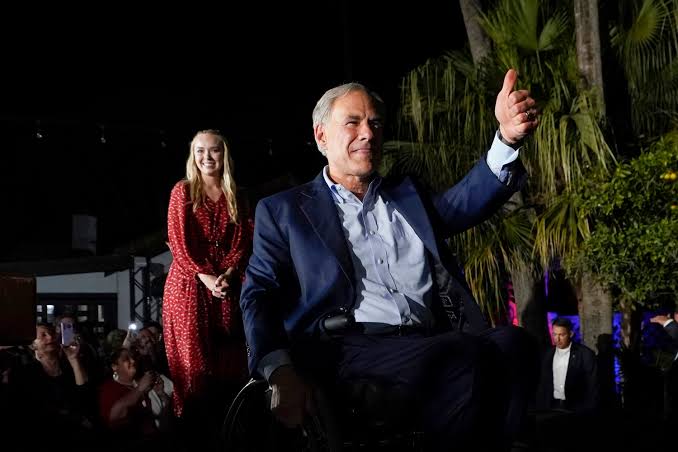

The Texas governor election of 2026 has become one of the most remarkable political contests in the state’s recent history. Democrat Gina Hinojosa has defeated Republican incumbent Greg Abbott, ending a decades-long period of Republican control of the governor’s office. Her victory represents a major political shift in Texas and places the state at the center of national political discussions.
The November 3, 2026, election attracted considerable attention because Abbott was seeking a historic fourth term. However, Hinojosa’s campaign gained momentum by focusing on everyday financial concerns, government accountability, and the future direction of Texas. Her victory also makes her the first Latina elected governor of Texas, giving the result additional historical significance.
Beyond the candidates themselves, this election reflects changing political priorities among Texas voters. Questions about affordability, education, immigration, healthcare, energy, and public services played an important role in shaping the campaign.
Understanding the Texas Governor Election 2026
Texas holds gubernatorial elections every four years, allowing registered voters to choose the state’s chief executive. The governor has significant responsibilities, including implementing state laws, approving or vetoing legislation, recommending budget priorities, and responding to emergencies.
The 2026 contest was particularly important because Greg Abbott had already served three terms. His attempt to secure another four years in office created an opportunity for voters to evaluate his administration and consider an alternative political direction.
The general election took place on November 3, 2026. The major candidates were Republican Greg Abbott, Democrat Gina Hinojosa, and Libertarian Pat Dixon, alongside certified write-in candidates.
The result was a historic Democratic victory, with Hinojosa defeating the incumbent governor and opening a new chapter in Texas politics.
Who Is Gina Hinojosa?
Gina Hinojosa is a Democratic politician and Texas state representative who has represented an Austin-area district since 2017. Before entering state politics, she developed a professional background in law and public service.
Her political career has been shaped by an interest in education, economic opportunity, civil rights, and government responsibility. During her time in the Texas Legislature, she became known as a vocal participant in debates about public policy and the direction of state government.
Her 2026 campaign placed particular emphasis on economic pressures facing ordinary households. Rather than allowing the contest to revolve entirely around political identity, she repeatedly brought attention to the cost of living and the need for greater accountability.
Her victory demonstrates how a candidate with comparatively limited financial resources and national political recognition can build a successful statewide campaign.
Greg Abbott’s Attempt at a Fourth Term
Greg Abbott had been one of the most influential Republican governors in the United States. First elected in 2014, he assumed office in January 2015 and established a strong political presence through three consecutive terms.
During his administration, Texas experienced substantial population growth, economic expansion, and major debates over immigration, education, energy, and social policy.
Abbott entered the 2026 campaign seeking another four years in office. His experience, established political network, and substantial campaign resources initially made him a formidable candidate.
However, his administration also faced criticism from voters concerned about household expenses, public services, energy infrastructure, and the direction of state government.
The election ultimately demonstrated that political experience and financial strength do not guarantee another term. Abbott conceded after his defeat and pledged to assist with the transition.
Major Issues That Shaped the Campaign
Cost of Living and Affordability
Economic concerns became central to the 2026 campaign. Texans faced questions about housing expenses, household budgets, electricity costs, healthcare, and the general affordability of living in a rapidly growing state.
Hinojosa argued that government should pay greater attention to working families rather than concentrating benefits among wealthy interests.
One of her most discussed proposals was a one-time payment of $1,500 to Texas residents, which she called the Corruption Tax Refund. She proposed financing the payment through the state’s emergency savings fund.
The proposal attracted attention because it connected government accountability with a direct financial benefit for residents.
Energy and Data Centers
Texas has become an important destination for technology investment and large-scale data center development. These facilities support digital services and artificial intelligence, but they also require substantial electricity and infrastructure.
Hinojosa criticized the rapid expansion of energy-intensive data centers and questioned whether the state was adequately considering their impact on ordinary electricity consumers.
The issue became especially relevant as communities discussed energy demand, infrastructure investment, and long-term electricity costs.
Abbott also responded to public concerns by supporting a temporary pause on new data center approvals.
Education and Public Services
Education remained another important issue in the broader political discussion. Texas has a large and diverse public education system, and decisions about school funding, classroom resources, teacher support, and educational opportunities affect millions of families.
Voters also considered the quality and accessibility of public services, including healthcare and infrastructure.
Although candidates approached these subjects from different political perspectives, the underlying question was how state leadership could respond to the needs of a growing population.
Immigration and Social Policy
Immigration and border security have long been major subjects in Texas politics because of the state’s geographical position and relationship with Mexico.
Abbott’s administration supported strict immigration enforcement policies, while Democrats frequently challenged aspects of the state’s approach.
Social issues, including abortion restrictions and transgender rights, also formed part of the political debate.
Hinojosa attempted to keep her campaign focused on economic concerns and everyday financial pressures rather than allowing cultural disagreements to dominate every discussion.
Why the 2026 Result Is Historically Important
The outcome of the Texas governor election carries significance beyond the governor’s office.
Texas had not elected a Democratic governor since Ann Richards left office in the 1990s. The Republican Party had maintained a strong position in statewide politics for approximately three decades.
Hinojosa’s victory therefore represents a major change in the state’s political landscape.
Her election also makes her the first Latina governor of Texas. This achievement is historically significant for a state with a large Hispanic population and a diverse cultural identity.
The result may encourage both political parties to reconsider their campaign strategies, voter outreach, and assumptions about future statewide elections.
It also raises important questions about whether the result represents a lasting political realignment or a particularly unusual election-year outcome.
What Happens After the Election?
Winning the election is only the beginning of the next political challenge. Hinojosa will need to prepare for the transition and establish priorities for her administration.
One of the most important challenges will be working with the Texas Legislature. Republicans retain a majority in the statehouse, meaning that passing new legislation could require negotiation and compromise.
Her proposed economic measures, including the $1,500 refund, will also face practical questions involving funding, legal authority, and legislative approval.
Other priorities may include energy infrastructure, education, public services, and government accountability.
The transition will provide an early indication of how Hinojosa intends to turn campaign promises into practical policies.
What the Election Means for Texas Politics
The 2026 result could influence political campaigns throughout the United States. Texas has traditionally been considered a reliable Republican state in presidential and statewide elections.
A Democratic victory in the governor’s race challenges that assumption and creates new opportunities for political competition.
However, one election does not automatically establish a permanent change in party support. Future results will depend on voter priorities, candidate quality, economic conditions, and the performance of the incoming administration.
For Republicans, the defeat creates pressure to examine why a well-funded incumbent lost a race that many observers initially considered difficult for Democrats to win.
For Democrats, the result provides renewed encouragement to compete in states where the party has struggled for years.
Frequently Asked Questions
Who won the Texas governor election in 2026?
Democrat Gina Hinojosa defeated Republican incumbent Greg Abbott in the November 3, 2026, general election, according to election-night projections and reporting by the Associated Press.
Who was running against Greg Abbott?
The main candidates were Democratic state Representative Gina Hinojosa and Libertarian candidate Pat Dixon. Several certified write-in candidates also participated in the contest.
Is Gina Hinojosa the first Latina governor of Texas?
Yes. Her victory makes her the first Latina elected governor of Texas and the first Democrat to hold the office since Ann Richards.
Why did Greg Abbott lose the election?
Several issues shaped the outcome, including affordability, energy costs, government accountability, data center development, and broader dissatisfaction with political leadership. No single issue explains the entire result.
When was the Texas governor election held?
The general election took place on Tuesday, November 3, 2026. Texas holds gubernatorial elections every four years.
What happens after Gina Hinojosa’s victory?
The next stage involves preparing for the transfer of power and developing an administration agenda. Hinojosa will also need to work with the Republican-controlled Legislature to advance her proposals.
Conclusion
The Texas governor election of 2026 will be remembered as a historic turning point in the state’s political history. Gina Hinojosa’s victory over Greg Abbott ended approximately three decades of Republican control of the governor’s office and made her the first Latina elected to the position.
The result also demonstrated the importance of economic concerns, public accountability, and changing voter priorities. While the election has created new opportunities for Democrats, governing Texas will require cooperation, careful planning, and practical solutions.
Ultimately, the real test of this historic victory will be whether the incoming administration can deliver meaningful improvements in the lives of Texans. The coming years will reveal how significantly this election changes the state’s political future.