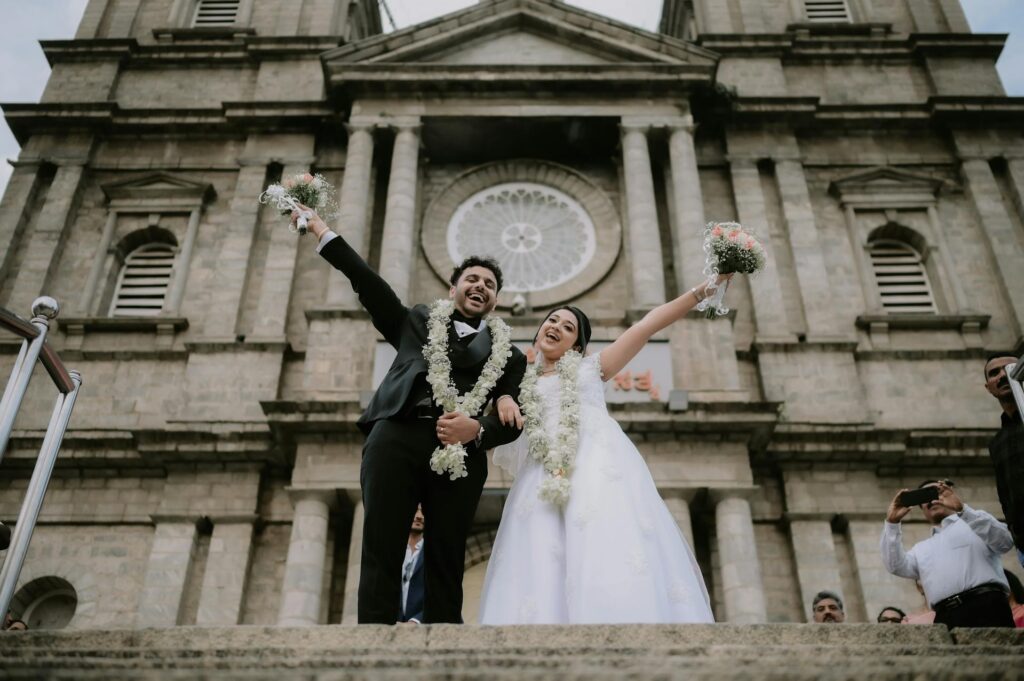

Weddings still carry the same emotional weight they always have. That hasn’t changed. What has changed is how people approach the planning side of it.
Costs are rising, expectations are shifting, and there’s far less impulse spending than before. There’s also less pressure to do everything by the book. The usual checklist, such as big venue, extended guest list, heavy décor, and multiple outfit changes,isn’t being followed as rigidly anymore.
People are starting to question it. Like pausing andasking whether something actually adds value, or if it’s just there because it always has been.
Spending Is More Considered
Recent reporting from the BBC has pointed out how rising costs are affecting everyday decisions. Weddings haven’t been spared from that.But what’s interesting is that couples aren’t necessarily trying to spend less overall. They’re just less willing to spend carelessly.
Photography still gets priority. So does food. The overall feel of the event matters. But things that don’t really add to the experience tend to get dropped without much hesitation.
That shift sounds small, but it changes the entire structure of a wedding.
Venue Decisions Are Becoming Less Predictable
For a long time, venues followed a pretty fixed pattern. Book early, pay a premium, accept the package.That’s loosening.
Weekday bookings are no longer seen as a compromise. Off-season dates are being picked on purpose. Even the type of venue is changing, such as more private spaces, smaller properties, and places that don’t come with rigid rules attached.
Insights from Forbes suggest that these kinds of venues often leave more room for negotiation, which makes a practical difference when budgets are tight.
It’s less about prestige now, more about control.

Guest Lists Are Getting Smaller, And It Shows
This is probably the most noticeable change.Large guest lists used to be standard, even when they didn’t make much sense. Now they’re one of the first things people rethink.
Cutting numbers doesn’t just reduce costs;it changes the entire atmosphere. The event feels calmer. More intentional. Less like something being managed and more like something being experienced.
People stay longer. Conversations last. The whole thing feels less rushed.
Shift in Bridal Fashion
Bridal wear used to sit in a category of its own, such as emotional, non-negotiable, and often expensive, without much question.That mind-set is shiftingas well.
There’s more openness now. Renting isn’t unusual. Pre-owned options aren’t dismissed. And increasingly, brides are exploring things like a wedding dress sample sale to find designer pieces without paying full price.
It’s not framed as “saving money.” It’s just seen as a smarter way to buy.
Planning Has Become More Transparent
There was a time when planning a wedding meant relying heavily on recommendations and guesswork. That gap has narrowed.
Price comparisons, vendor reviews, and digital planning tools have made things clearer. Not perfect, but clearer.
Even small shiftslike digital invites or online RSVP trackingare cutting down on unnecessary costs and back-and-forth.
It’s not much of a major saving. But it adds up.
Décor Is Doing Less but Working Better
Big décor setups haven’t disappeared, but they’re no longer the default.
There’s a move toward doing less, but doing it properly. Reusing floral arrangements across different parts of the event. Renting instead of building everything from scratch.
Lighting, in particular, is carrying more weight than before. It’s subtle, but effective. A space can feel completely different with the right lighting, without adding layers of expensive detail.
Food Still Matters Just in a Different Format
Catering hasn’t lost importance, but the structure is changing.
Formal, multi-course meals are being replaced with more flexible setups, such as smaller menus, interactive stations,family-style dining, or live cooking stations.
All of such dining setups often work better. Guests engage more. Waste goes down. And there’s more control over how the budget is used.
A Different Kind of Wedding Mind-set
There isn’t a single “right” way to plan a wedding anymore. That’s probably the biggest shift of all.
People are still spending. Still celebrating. Still paying attention to detail.But there’s less pressure to prove anything through scale.And that changes the tone of the entire event.