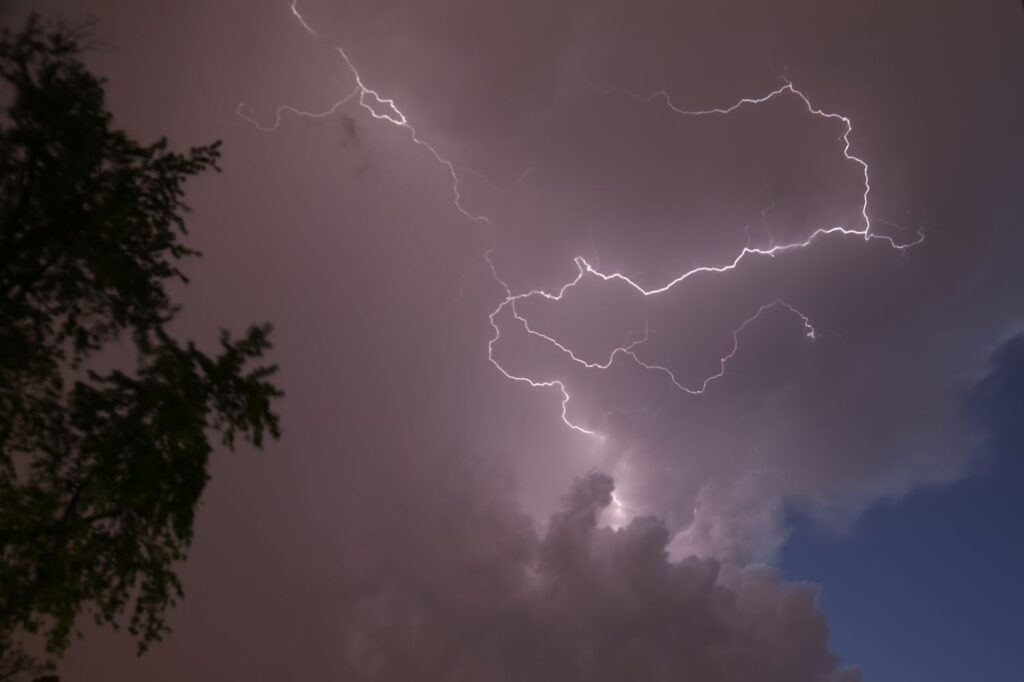

Thunder Light is one of nature’s most dramatic and unforgettable sights. It refers to the bright flash we see in the sky during a thunderstorm, commonly known as lightning, accompanied by the deep rumbling sound of thunder. For centuries, people have been fascinated and sometimes frightened by Thunder Light because of its sudden appearance and powerful energy. Today, science explains much of this natural event, yet its visual impact and emotional effect remain just as strong. Understanding Thunder Light helps us appreciate both its beauty and its danger.
What Is Thunder Light in Simple Terms
Thunder Light is the visible flash produced by a lightning discharge in the atmosphere. When storm clouds build up electrical charges, energy is suddenly released in the form of a bright streak of light. This flash heats the surrounding air extremely quickly, and that rapid heating creates a shock wave. The shock wave is what we hear as thunder. So while people say “thunder and lightning,” Thunder Light is really the lightning flash itself, with thunder being the sound that follows.
How Thunder Light Forms in Storm Clouds
Thunder Light forms inside large storm clouds when particles of ice and water collide. These collisions cause electrical charges to separate within the cloud. Positive charges gather in one region and negative charges in another. As the difference in charge grows stronger, the atmosphere can no longer hold the separation. A sudden electrical discharge occurs, and that discharge appears as Thunder Light. The path it takes can be within a cloud, between clouds, or between cloud and ground.
Why Thunder Light Appears Before Thunder Is Heard
Many people notice Thunder Light first and hear thunder seconds later. This happens because light travels much faster than sound. The flash from Thunder Light reaches our eyes almost instantly, even if the storm is far away. Sound, however, travels more slowly through air. That delay is why counting seconds between Thunder Light and thunder can help estimate how far away the storm is. The greater the gap, the farther the lightning strike occurred.
Different Types of Thunder Light Strikes
Thunder Light does not always look the same. Sometimes it appears as a sharp, jagged bolt striking the ground. Other times it spreads across the sky like glowing branches. There are cloud-to-ground strikes, cloud-to-cloud flashes, and sheet lightning that lights up entire clouds. Each type of Thunder Light depends on how charges are arranged and where the discharge travels. These variations create different shapes and brightness levels in the sky.
The Colors Seen in Thunder Light
Although Thunder Light is usually seen as white or bluish-white, it can appear in other colors. Atmospheric conditions influence the color we see. Dust, moisture, pollution, and even the angle of view can change its appearance. Some flashes look purple, yellow, or slightly red. The temperature of the lightning channel and the gases in the air also affect color. These subtle variations add to the visual mystery of Thunder Light during storms.
The Energy Power Behind Thunder Light
Thunder Light is not just bright, it is incredibly powerful. A single lightning strike can contain hundreds of millions of volts of electricity. The temperature inside the lightning channel can become hotter than the surface of the sun for a brief moment. This intense heat causes the surrounding air to expand rapidly, which produces the thunder we hear. The energy involved shows why Thunder Light is both awe-inspiring and dangerous.
Safety Measures During Thunder Light Storms
Because Thunder Light is powerful, safety is extremely important during thunderstorms. The safest place to be is inside a solid building or a closed vehicle. Open fields, tall trees, and metal objects increase risk during Thunder Light activity. Water is also a conductor, so swimming during a storm is unsafe. Avoiding wired electronics and staying away from windows reduces danger. Understanding Thunder Light safety rules can prevent serious injuries.
How Thunder Light Affects Nature
Thunder Light plays a role in Earth’s natural systems. Lightning helps convert nitrogen in the atmosphere into forms that plants can use. When Thunder Light strikes the ground, it can trigger chemical reactions in soil that support plant growth. At the same time, lightning can also start wildfires and damage trees. So Thunder Light has both helpful and harmful effects in the natural environment.
Thunder Light and Human Technology
Modern technology both studies and protects against Thunder Light. Lightning rods, grounding systems, and surge protectors are designed to safely redirect electrical energy from strikes. Weather satellites and radar systems help track storm systems that produce Thunder Light. Scientists use sensors and high-speed cameras to study lightning patterns and behavior. These tools improve forecasts and help reduce risks to buildings and infrastructure.
The Visual Beauty of Thunder Light Photography
Thunder Light has become a favorite subject for photographers. Capturing a lightning flash requires patience, timing, and the right camera settings. Long-exposure photography often works best because it increases the chance of catching a strike. Photographers must also prioritize safety and shoot from protected locations. Images of Thunder Light often show stunning contrasts between dark clouds and bright electric branches across the sky.
Myths and Cultural Beliefs About Thunder Light
Across cultures, Thunder Light has inspired myths and legends. In many ancient traditions, lightning was believed to be a weapon or message from the gods. Some cultures saw Thunder Light as a sign of anger, while others viewed it as a symbol of power and renewal. Even today, stories and superstitions about lightning remain common. These beliefs show how deeply Thunder Light has influenced human imagination.
Why Thunder Light Still Fascinates Scientists
Even with modern science, Thunder Light still holds unanswered questions. Researchers continue to study how lightning starts, how it branches, and why some storms produce more strikes than others. New discoveries about high-altitude lightning events and unusual discharge patterns keep the topic active in research fields. Thunder Light remains an important subject for atmospheric science and climate studies.
Teaching Children About Thunder Light
Explaining Thunder Light to children can be both educational and reassuring. Simple explanations about clouds, electricity, and sound help them understand what they see and hear. Teaching safety rules reduces fear and builds awareness. Demonstrations using static electricity experiments can show small-scale versions of charge buildup. Learning about Thunder Light turns a frightening event into a science lesson.
Conclusion
Thunder Light is one of the most powerful and beautiful natural events we can witness. It combines science, energy, sound, and light into a single dramatic moment. While it creates stunning displays across the sky, it also demands respect and caution. By understanding how Thunder Light forms, how it behaves, and how to stay safe, we can appreciate its wonder without unnecessary risk. Nature’s brightest flash continues to inspire curiosity every time a storm rolls in.