
If you’ve ever stood in a long airport security line wondering whether there’s a faster way, you’re not alone. The debate around global entry vs tsa precheck has become increasingly common as more travelers look for ways to save time and reduce stress at airports. Both programs are designed to streamline the travel experience, but they serve slightly different purposes and offer unique advantages depending on how often and where you travel.
Understanding the difference between global entry vs tsa precheck is essential before you apply, because choosing the right one can mean the difference between a smooth arrival after an international flight or continued delays at customs. In this guide, you’ll learn exactly how each program works, who benefits most from each option, and how to decide which trusted traveler program fits your lifestyle.
Understanding the Basics of Global Entry vs TSA PreCheck
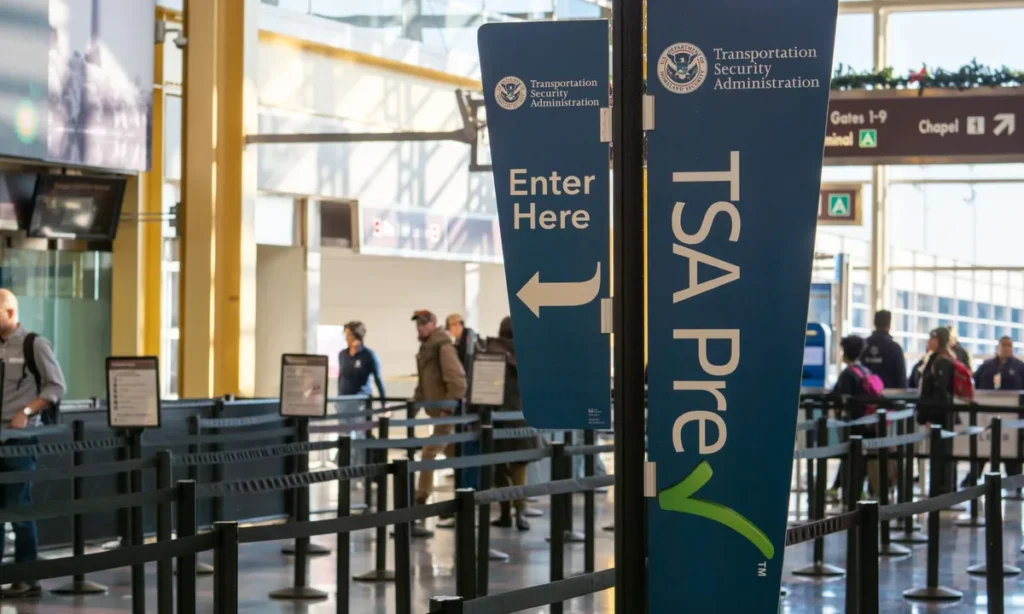
When comparing global entry vs tsa precheck, it’s helpful to start with the core purpose of each program. TSA PreCheck is managed by the Transportation Security Administration and focuses exclusively on speeding up the domestic airport security screening process. Travelers approved for TSA PreCheck can use dedicated lanes and typically don’t need to remove shoes, belts, laptops, or light jackets.
Global Entry, on the other hand, is operated by U.S. Customs and Border Protection and is designed primarily for international travelers entering the United States. Members use automated kiosks to bypass long customs lines after returning from abroad. One important advantage that often influences the global entry vs tsa precheck decision is that Global Entry includes TSA PreCheck benefits automatically.
Key Differences Between Global Entry vs TSA PreCheck
The most important distinction in the global entry vs tsa precheck comparison lies in travel type. TSA PreCheck focuses on domestic airport security, while Global Entry is designed for international arrivals. That means frequent international travelers often find Global Entry more valuable, while people who mainly fly within the United States may prefer TSA PreCheck.
Another difference involves the application process. TSA PreCheck typically requires a background check and fingerprinting appointment at an enrollment center. Global Entry involves a more extensive background check and an in-person interview with a customs officer. Because of the additional vetting, Global Entry approval can sometimes take longer, though conditional approvals may arrive within weeks depending on demand.
Cost is also part of the global entry vs tsa precheck conversation. TSA PreCheck generally costs around $78 to $85 for a five-year membership, depending on the enrollment provider. Global Entry costs $100 for five years. Since Global Entry includes TSA PreCheck, many travelers consider it a better overall value despite the slightly higher price.
Benefits of Choosing TSA PreCheck
For travelers who rarely leave the country, TSA PreCheck can be a practical choice in the global entry vs tsa precheck debate. The program focuses entirely on making security screening faster and more convenient, which is where many travelers experience the most frustration.
Members usually move through security lines much faster than standard passengers. The ability to keep shoes on and electronics in bags may sound small, but it significantly reduces the stress of frequent flying. Business travelers who fly weekly or monthly within the country often find TSA PreCheck alone meets their needs perfectly.
Another advantage in the global entry vs tsa precheck comparison is ease of enrollment. TSA PreCheck interviews are generally quicker and easier to schedule than Global Entry interviews, which can sometimes have longer wait times due to demand.
Benefits of Choosing Global Entry
Global Entry stands out in the global entry vs tsa precheck discussion because it offers dual benefits. Not only does it speed up customs clearance when returning to the United States, but it also includes TSA PreCheck eligibility for domestic travel.
International travelers often consider Global Entry essential, especially those who frequently travel for business or vacations abroad. After a long international flight, waiting in customs lines can be exhausting. Global Entry kiosks allow members to complete entry procedures quickly, often within minutes.
Another factor that influences the global entry vs tsa precheck decision is airport availability. Many major international airports support Global Entry kiosks, making it widely accessible for travelers entering the country from overseas destinations.
Families who travel internationally also benefit from Global Entry, although each family member must have their own membership regardless of age. This requirement is different from TSA PreCheck, where children under 12 can accompany an enrolled parent through the expedited lane without their own membership.
Processing Time and Approval Considerations
Approval timelines are an important part of the global entry vs tsa precheck comparison. TSA PreCheck approvals often come faster, sometimes within days after the appointment. Global Entry can take longer because of the additional background checks and limited interview availability.
However, enrollment on arrival programs have made Global Entry more convenient in recent years. Travelers can complete interviews at participating airports after returning from an international trip, which eliminates the need for scheduling a separate appointment. This convenience has made Global Entry increasingly attractive in the global entry vs tsa precheck decision process.
Which Program Is Better for Frequent Travelers?
The answer to the global entry vs tsa precheck question largely depends on travel habits. Frequent international travelers almost always benefit more from Global Entry because it includes both customs clearance and TSA PreCheck advantages. The slightly higher cost becomes negligible compared to the time saved during international arrivals.
For travelers who rarely leave the country, TSA PreCheck may be sufficient. Domestic flights often involve the most repeated security interactions, so the convenience of faster screening provides real value. Occasional international travelers may still prefer Global Entry, especially if they anticipate more trips abroad in the future.
If you’re unsure which program fits your situation, consider your travel plans over the next five years. Since both memberships last five years, your future travel frequency should influence your global entry vs tsa precheck choice.
Credit Card Reimbursement and Cost Savings
Many premium travel credit cards reimburse the application fee for either program, which can remove cost as a deciding factor in the global entry vs tsa precheck comparison. Cards from major issuers often provide statement credits every four or five years for trusted traveler program enrollment.
If your credit card covers Global Entry, choosing it may be the smarter option since it includes TSA PreCheck benefits anyway. This financial incentive often shifts the global entry vs tsa precheck decision toward Global Entry for travelers who qualify.
Security and Background Checks
Security screening standards also play a role in the global entry vs tsa precheck discussion. Both programs require background checks and fingerprinting, but Global Entry involves more extensive vetting because it grants expedited entry into the country.
Applicants with certain criminal histories or customs violations may face denial for Global Entry. TSA PreCheck may still be possible in some cases where Global Entry is not approved. Understanding eligibility requirements is crucial before applying, especially if you want to avoid losing the application fee.
Final Thoughts on Global Entry vs TSA PreCheck
Choosing between global entry vs tsa precheck ultimately comes down to how you travel. If international travel is part of your routine or future plans, Global Entry provides the most comprehensive benefits and better long-term value. If your trips are mostly domestic and you want a simpler enrollment process, TSA PreCheck can still deliver significant convenience.
Both programs exist to make travel smoother, faster, and less stressful. By evaluating your travel frequency, destinations, and priorities, you can confidently decide which option best supports your journeys. Whether you choose TSA PreCheck or Global Entry, investing in expedited travel is often one of the smartest decisions frequent flyers make.
FAQs About Global Entry vs TSA PreCheck
Is Global Entry better than TSA PreCheck?
Global Entry is often considered better because it includes TSA PreCheck benefits plus expedited customs processing for international arrivals. However, TSA PreCheck alone may be sufficient for travelers who rarely leave the country.
Can I use TSA PreCheck for international flights?
TSA PreCheck benefits apply when departing from U.S. airports, even on international flights. However, it does not help with customs when returning to the United States, which is where Global Entry provides additional value.
How long does approval take for Global Entry vs TSA PreCheck?
TSA PreCheck approvals often arrive faster, sometimes within days. Global Entry can take several weeks or months depending on background checks and interview availability.
Do children need their own membership?
Children under 12 can accompany a parent through TSA PreCheck lanes without their own membership. For Global Entry, every traveler regardless of age must have an individual membership.
Is Global Entry worth the extra cost?
For travelers who take even occasional international trips, Global Entry is usually worth the additional cost because it includes TSA PreCheck and significantly reduces customs wait times.