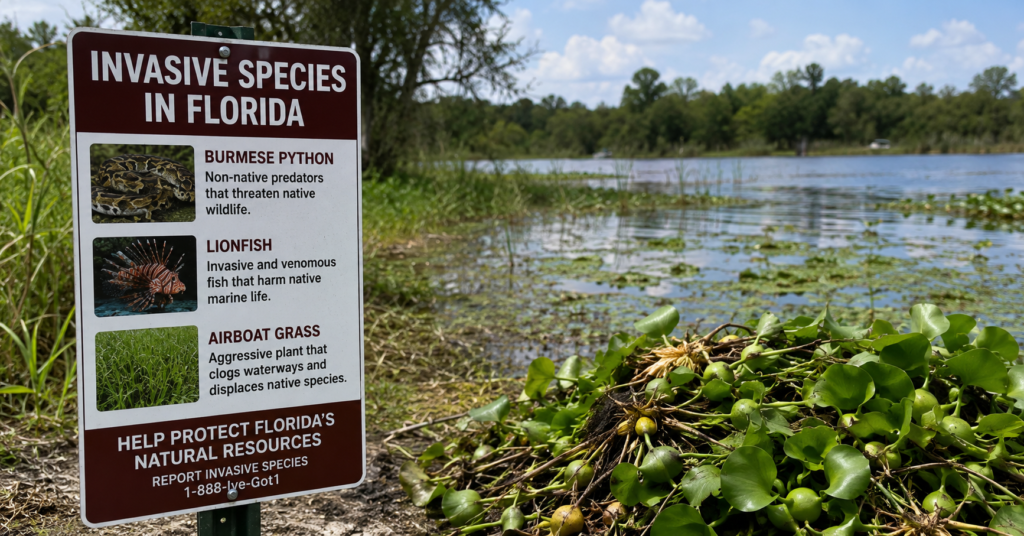

Florida is known for its beautiful beaches, rich biodiversity, and unique natural habitats. However, one of the biggest environmental challenges facing the state today is the rise of invasive species in Florida. These non-native plants and animals have spread rapidly across various ecosystems, threatening native wildlife, damaging habitats, and creating costly problems for communities and conservation efforts. Understanding how these species arrive, why they thrive, and what is being done to control them is essential for protecting Florida’s natural heritage.
What Are Invasive Species?
Invasive species are organisms that are introduced to an area where they do not naturally occur and cause harm to the environment, economy, or human health. Unlike native species that evolved within local ecosystems, invasive species often lack natural predators in their new environment. This allows them to reproduce quickly and outcompete native plants and animals for food, shelter, and resources.
Florida provides an ideal environment for many foreign species due to its warm climate, extensive waterways, and thriving international trade and tourism industries. As a result, the state has become one of the most vulnerable regions in the United States when it comes to biological invasions.
Why Florida Is Especially Vulnerable
Several factors contribute to the growing problem of invasive species in Florida. The state’s subtropical and tropical climate closely resembles the native habitats of many exotic species imported from Asia, Africa, South America, and other parts of the world.
Florida’s large network of ports, airports, and shipping facilities increases the likelihood of accidental introductions. In addition, the exotic pet trade has played a major role in releasing non-native animals into the wild. Some pets escape during storms, while others are intentionally released by owners who can no longer care for them.
Natural disasters such as hurricanes can also contribute to the spread of invasive species by damaging containment facilities and dispersing plants and animals into new areas.
The Burmese Python Problem
One of the most famous examples of invasive species in Florida is the Burmese python. Native to Southeast Asia, this massive snake has established a breeding population in the Everglades.
Burmese pythons can grow over 18 feet long and are powerful predators capable of consuming a wide range of animals. Research has shown significant declines in populations of raccoons, rabbits, foxes, and other mammals in areas where pythons have become established.
The Everglades ecosystem evolved without large constrictor snakes, leaving many native species poorly equipped to avoid these predators. Wildlife managers continue to conduct removal programs and public hunting challenges to reduce python numbers, but complete eradication remains extremely difficult.
The Impact of Lionfish in Coastal Waters
While snakes dominate headlines on land, lionfish are creating major problems beneath the surface. These colorful fish, originally from the Indo-Pacific region, have spread throughout Florida’s coastal waters and coral reef systems.
Lionfish reproduce rapidly and consume large quantities of native fish and crustaceans. Their venomous spines deter many predators, giving them a significant advantage in their new environment.
Scientists have expressed concern that lionfish populations can reduce biodiversity on reefs by preying on juvenile fish before they reach adulthood. This disrupts ecological balance and may affect commercial and recreational fisheries that depend on healthy fish populations.
Community efforts, including organized lionfish removal events and promoting lionfish as a food source, have become important tools in managing their spread.
Invasive Plants Changing Florida Landscapes
Animals are not the only concern. Numerous invasive plants have transformed natural habitats across the state.
Melaleuca trees, originally introduced from Australia, have invaded wetlands and displaced native vegetation. These trees form dense stands that alter water flow patterns and reduce habitat quality for native wildlife.
Brazilian pepper trees are another serious problem. They spread aggressively and create thick thickets that crowd out native plants. Their rapid growth makes restoration efforts challenging in many conservation areas.
Water hyacinth, a floating aquatic plant, can cover entire waterways. Dense mats block sunlight, reduce oxygen levels in water, and interfere with boating, fishing, and flood control operations.
Managing invasive plants often requires a combination of mechanical removal, biological control agents, and carefully monitored herbicide applications.
Economic Consequences of Invasive Species
The impact of invasive species in Florida extends beyond environmental damage. These organisms impose substantial economic costs on government agencies, businesses, and taxpayers.
Agriculture faces threats from invasive insects and plant diseases that can reduce crop yields and increase production expenses. Water management districts spend millions of dollars annually controlling invasive vegetation in canals, lakes, and wetlands.
Tourism can also be affected when natural attractions lose biodiversity or recreational opportunities become limited due to invasive infestations. Fisheries may experience declines in native fish populations, affecting both commercial operations and recreational anglers.
As invasive species continue to spread, the financial burden associated with monitoring, control, and restoration efforts is expected to grow.
Effects on Native Wildlife
Native wildlife often suffers the greatest consequences from biological invasions. Invasive predators may directly consume native species, while invasive plants can eliminate food sources and nesting habitats.
Some invasive animals compete with native species for limited resources. This competition can reduce reproductive success and population growth among native wildlife.
Florida is home to many rare and endangered species that are already facing habitat loss and environmental pressures. The arrival of invasive species adds another layer of stress that can push vulnerable populations closer to extinction.
Conservation organizations and wildlife agencies continually monitor these interactions to better understand how invasive species influence ecosystem health.
How Scientists and Conservationists Respond
Managing invasive species requires a coordinated effort involving government agencies, researchers, conservation groups, and local communities.
Early detection is one of the most effective strategies. When invasive species are identified quickly, managers have a better chance of preventing them from becoming established.
Researchers study the biology and behavior of invasive organisms to develop more effective control methods. Biological control programs sometimes introduce carefully selected natural enemies that target invasive species without harming native wildlife.
Public education campaigns also play a critical role. Encouraging responsible pet ownership and preventing the release of exotic animals can significantly reduce future invasions.
Technology has become increasingly valuable as well. Tracking devices, environmental DNA testing, drones, and advanced mapping systems help scientists locate and monitor invasive populations more efficiently.
What Residents Can Do
Florida residents can contribute to the fight against invasive species through simple but meaningful actions. Reporting unusual plants or animals to wildlife authorities helps improve monitoring efforts.
Pet owners should never release unwanted animals into the wild. Instead, they should seek adoption programs, rescue organizations, or responsible surrender options.
Gardeners can choose native plants that support local ecosystems while reducing the risk of introducing invasive vegetation. Cleaning boats, fishing equipment, and outdoor gear can also prevent accidental transport of invasive species between waterways.
Community involvement remains one of the strongest defenses against future invasions.
The Future of Florida’s Ecosystems
The challenge of managing invasive species in Florida will likely continue for decades. Climate change, global trade, and increasing human movement create new opportunities for species introductions and expansion.
Despite these challenges, ongoing research, public awareness, and targeted management programs offer hope. Success stories demonstrate that invasive populations can be reduced and damaged habitats can be restored when sufficient resources and cooperation are applied.
Protecting Florida’s unique landscapes requires long-term commitment from scientists, policymakers, businesses, and residents alike. By understanding the risks and supporting prevention efforts, future generations can continue to enjoy the remarkable biodiversity that makes Florida special.
Conclusion
The issue of invasive species in Florida represents one of the most significant environmental concerns facing the state today. From Burmese pythons in the Everglades to lionfish along coral reefs and aggressive invasive plants across wetlands, these species have altered ecosystems in profound ways. Their impact extends beyond wildlife, affecting agriculture, tourism, water management, and local economies.
Addressing this challenge requires education, scientific research, responsible public behavior, and continued conservation efforts. While complete elimination of many invasive species may not be possible, reducing their impact and preventing new introductions remain achievable goals. Through collective action and informed decision-making, Florida can better protect its extraordinary natural resources for years to come.
FAQ
What are invasive species in Florida?
Invasive species are non-native plants, animals, or other organisms that spread rapidly and cause environmental, economic, or ecological harm within Florida’s ecosystems.
Why are invasive species a problem in Florida?
They compete with native species, alter habitats, disrupt food chains, reduce biodiversity, and create significant economic costs related to management and restoration.
What is the most famous invasive species in Florida?
The Burmese python is among the most well-known invasive species due to its impact on wildlife populations in the Everglades.
How did invasive species arrive in Florida?
Many arrived through international trade, shipping activities, the exotic pet trade, landscaping imports, and accidental releases into the environment.
Can invasive species be completely eliminated?
Complete eradication is often difficult once a species becomes established. However, effective management programs can reduce populations and limit environmental damage.
How can people help prevent invasive species?
Residents can avoid releasing pets into the wild, plant native vegetation, report invasive sightings, and follow guidelines that prevent the spread of non-native organisms