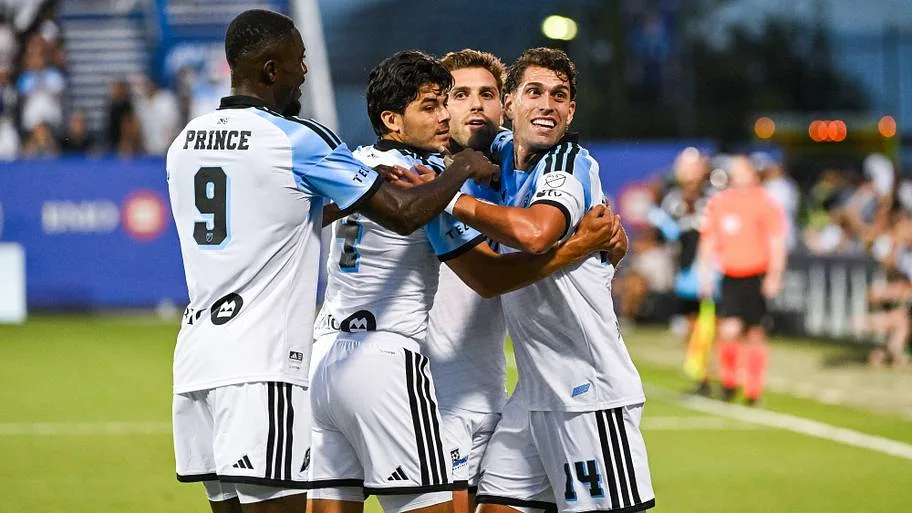

The Montréal vs Inter Miami matchup has become one of the more intriguing fixtures in Major League Soccer, bringing together two clubs with very different identities and ambitions. CF Montréal represents a proud Canadian soccer tradition built around developing talent and competing in a demanding Eastern Conference, while Inter Miami CF has rapidly become one of the league’s most closely followed teams. When these sides meet, the contest is about more than three points. It combines tactical battles, individual quality, passionate supporters, and the growing international profile of MLS.
Inter Miami’s arrival as a high-profile club has changed the attention surrounding many of its games. With world-renowned players having worn the Miami shirt, every opponent faces greater scrutiny. Montréal, meanwhile, has repeatedly shown that organization, energy, and home support can make it a difficult opponent. That combination gives this fixture plenty of appeal for both longtime MLS followers and newer fans.
Why Montréal vs Inter Miami Gets Attention
The Montréal vs Inter Miami fixture is interesting because the clubs approach success from different directions. Montréal has traditionally emphasized player development, squad building, and a competitive team structure. Inter Miami has pursued a more ambitious global strategy, attracting internationally recognized footballers while attempting to establish itself as one of North America’s premier soccer brands.
That contrast creates an appealing narrative. One side can represent collective organization and a strong team identity, while the other can bring exceptional individual talent capable of changing a match within seconds.
The atmosphere can also play an important role. Montréal supporters have developed a strong soccer culture, and matches at Stade Saputo can become intense occasions. Miami’s traveling support and growing fan base add another layer whenever the clubs meet.
Inter Miami’s Star Power
Inter Miami’s rise has been closely associated with the arrival of Lionel Messi, whose move to MLS transformed the club’s international visibility. Messi brought an extraordinary résumé to the league after a career that included success with Barcelona, Paris Saint-Germain, and Argentina.
His presence changes how opponents prepare. Defenders cannot afford to switch off around the penalty area, while midfielders must be careful about giving him space between the lines. Even when he does not score, his passing, movement, and ability to attract defenders can create opportunities for teammates.
Inter Miami has also benefited from the presence of other experienced players during the club’s high-profile era. The broader project has focused on combining established international names with MLS experience and younger talent. The challenge is turning that collection of quality into a balanced team capable of competing consistently over a long domestic season.
Montréal’s Competitive Identity
CF Montréal does not need the same celebrity profile to make an impact. The club’s strength has often been its ability to develop players and build competitive squads within the realities of MLS.
Canadian soccer has continued to grow, and Montréal has played an important role in that development. The club has provided opportunities for young players while also bringing in experienced professionals who understand the demands of North American soccer.
Against a team such as Miami, Montréal’s tactical discipline can be particularly important. The defensive line needs to remain compact, midfielders must track runners, and the team has to make the most of transitions. A single mistake against elite attacking players can quickly change the direction of a game.
Tactical Battle
From a tactical perspective, Montréal vs Inter Miami can be fascinating because possession does not necessarily guarantee control. Inter Miami can use technically gifted players to circulate the ball and create openings, but Montréal can make the match uncomfortable by pressing aggressively and attacking spaces during transitions.
Miami’s attacking players generally benefit when they receive the ball in advanced positions with time to turn. Montréal therefore needs to limit dangerous passes through central areas and avoid unnecessary turnovers near its own penalty area.
For Montréal, attacking efficiency can be equally important. Creating chances against a talented Miami side is only part of the challenge; converting those chances is what can separate a strong performance from a disappointing result.
The Importance of Midfield
Midfield often determines whether either team can establish its preferred rhythm. Miami wants its creative players involved frequently, while Montréal needs enough possession to prevent the match from becoming one-way traffic.
Winning second balls, controlling the tempo, and making intelligent positional movements can quietly become as important as spectacular goals. The team that manages those details usually has a better chance of controlling the game.
Home Advantage Matters
Playing in Montréal can provide a meaningful advantage. The supporters create an atmosphere that can raise the intensity, particularly during difficult moments. MLS travel is also a genuine consideration because teams regularly cover large distances during the season.
Inter Miami has the resources and experience to handle challenging environments, but an away match still demands concentration. Montréal can use its home surroundings to start aggressively and put pressure on Miami before the visitors settle into their passing rhythm.
The psychological side of the contest should not be underestimated. If Montréal scores early, confidence can rise quickly. If Miami controls the opening period, however, its technical quality can make the home crowd increasingly anxious.
Players Can Decide the Difference
Matches of this type are frequently decided by moments rather than sustained dominance. A creative midfielder can produce one unexpected pass, a forward can finish a half-chance, or a goalkeeper can make a crucial save.
For Inter Miami, the spotlight naturally falls on its biggest attacking names. But successful teams cannot depend on one player alone. Supporting runners, defensive midfielders, fullbacks, and substitutes all have important roles.
Montréal’s players face a similar challenge from the opposite direction. Their opportunity comes from playing collectively, remaining disciplined, and taking advantage when Miami leaves space behind its attacking players.
The Bigger MLS Picture
The Montréal vs Inter Miami rivalry is part of a larger transformation taking place across North American soccer. MLS has increasingly attracted international attention, while Canadian clubs have become important participants in the league’s development.
Inter Miami’s global profile has helped introduce MLS to audiences that might previously have paid little attention to the competition. Montréal provides a reminder that the league is not simply about famous players. Its identity also comes from local supporters, developing footballers, established clubs, and the unpredictable nature of the competition.
That balance makes MLS particularly interesting. A club with major international stars can still encounter difficulties against a well-organized opponent that understands how to exploit weaknesses.
What Fans Should Watch
A viewer watching this fixture should pay attention to how quickly each team transitions between attack and defense. Miami’s ability to create opportunities from technical combinations is obvious, but Montréal’s response to those movements can determine how many clear chances actually develop.
Set pieces may also become important. Corners and free kicks can provide Montréal with opportunities to threaten without needing long spells of possession.
Another key factor is game management. If one team takes an early lead, the tactical picture can change dramatically. The trailing side may need to push more players forward, creating additional attacking opportunities but also exposing defensive spaces.
Frequently Asked Questions
When did Inter Miami join MLS?
Inter Miami began Major League Soccer competition in 2020 as one of the league’s expansion clubs. The organization quickly attracted international attention because of its ownership group, ambitions, and recruitment strategy.
Why is Lionel Messi important to Inter Miami?
Messi brought extraordinary global recognition to Inter Miami and MLS. His technical ability, creativity, scoring record, and experience at the highest levels of football make him an exceptional attacking influence.
Where does CF Montréal play?
CF Montréal plays its home matches at Stade Saputo in Montréal, Quebec. The venue is closely associated with the club and its supporter culture.
Can Montréal beat Inter Miami?
Absolutely. MLS regularly produces unexpected results, and a well-organized home team can defeat a more star-studded opponent. Montréal’s best route is disciplined defending, effective transitions, and clinical finishing.
What makes this matchup different?
The contrast between the clubs is a major attraction. Montréal brings local identity, development, and competitive organization, while Inter Miami carries enormous international attention and high-level individual talent. That difference creates a compelling MLS contest.
Conclusion
The Montréal vs Inter Miami matchup captures much of what makes modern MLS compelling. It brings together a club rooted in Montréal’s soccer culture and an ambitious Miami organization that has become a global football story.
The result can never be determined simply by reputation or individual names. Montréal can make the contest difficult through structure, intensity, and home advantage, while Inter Miami can change the game through creativity and individual brilliance. That uncertainty is precisely what makes the fixture worth watching.
As MLS continues to expand its international reach, meetings between clubs such as these will carry increasing significance. Whether the decisive moment comes from a superstar, a young emerging player, a tactical adjustment, or a late defensive stand, Montréal vs Inter Miami offers the kind of unpredictable football drama that keeps supporters coming back.